
One of the biggest mistakes new real estate investors make is believing that renovation begins the day they receive the keys.
Experienced investors know better.
Before choosing paint colors, installing flooring, replacing cabinets, or planning cosmetic upgrades, they focus on something far more important:
Stabilization.
A vacant property cannot create value if it’s still losing value every day.
Without a stabilization plan even the most beautiful renovation can become more expensive, take longer to complete, and produce lower returns than expected.
Successful projects begin by protecting the property first.
What is Property Stabilization?
Property stabilization is the process of securing and protecting a property from further deterioration before major renovation begins.
Its purpose isn’t to make the property look better.
Its purpose is to stop damage from getting worse.
A stabilization plan helps preserve the property’s current condition while preparing it for successful renovation.
Think of it this ways:
Renovation creates value.
Stabilization protects value.
The two work together, but stabilization always comes first.
Why Stabilization Matters
Vacant properties are vulnerable.
Without someone living inside them, small problems often go unnoticed until they’ve become major repairs.
A leaking roof can quickly lead to:
- Water intrusion
- Mold growth
- Damage insulation
- Rotting framing
- Ceiling collapse
A broken window can invite:
- Vandalism
- Theft
- Pest infestations
- Additional weather damage
Every day a property remains unprotected, and the cost of renovation continues to increase.
The longer damage is allowed to spread, the more expensive recovery becomes.
Every Stabilization Plan Should begin With an Inspection
Before spending money on cosmetic improvements, experienced investors perform a thorough property assessment.
They evaluate:
- Roof condition
- Foundation
- Exterior walls
- Windows and doors
- Plumbing
- Electrical systems
- HVAC
- Signs of moisture
- Mold
- Pest activity
- Safety hazards
You can’t protect what you haven’t identified.
A detailed inspection provides the roadmap for every decision the follows.
Stop Wate First
If there is one priority above all other, it’s water.
Water is responsible for some of the most expensive property damage investors encounter.
Your stabilization plan should immediately address:
- Roof leaks
- Broken windows
- Plumbing leaks
- Poor drainage
- Standing water
- Missing flashing
- Damaged gutters
Stopping water intrusion early often prevents thousands of dollars in future repairs.
Secure the Property
Vacant properties attract unwanted attention.
Broken locks, unsecured windows, and damaged doors increase the risk of:
- Theft
- Vandalism
- Squatters
- Illegal dumping
- Additional property damage
Changing locks, boarding broken windows when necessary, repairing doors, and installing temporary security measures protects both the property and your investment.
Address Safety Hazards
Before contractors begin work, remove hazards that could delay the project or create liability.
Examples include:
- Loose flooring
- Exposed wiring
- Unstable stairs
- Falling debris
- Standing water
- Structural concerns
A safe property allows renovations to begin efficiently and reduces unnecessary risk.
Prevent Small Problems from Becoming Large Ones
One of the primary goals of stabilization is preventing additional deterioration while renovation plans are finalized.
Simple preventative measures often include:
- Cleaning gutters
- Removing debris
- Trimming vegetation
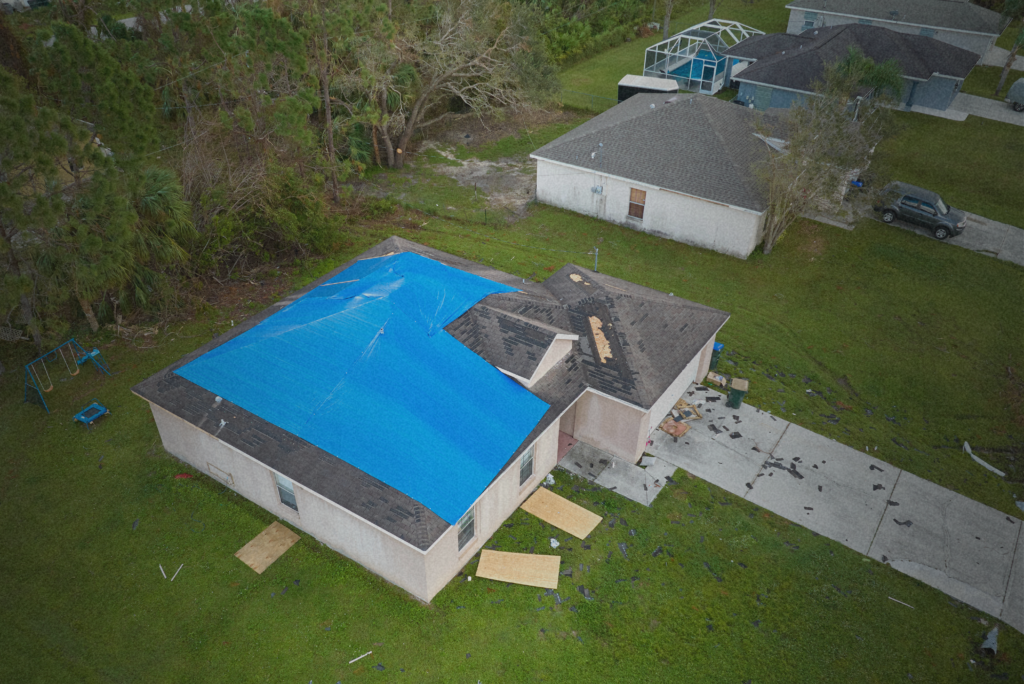
- Installing temporary roof protection
- Monitoring moisture
- Maintaining proper ventilation
These actions may seem minor, but they protect the property while larger improvements are being planned.
Stabilization Creates Better Renovation Outcomes
Many investors assume stabilization delays renovation.
In reality, it often speeds it up.
Protected properties experience:
- Fewer surprise repairs
- Better budget control
- Short project timelines
- Lower holding costs
- More predictable renovations
Stabilization isn’t an extra step.
It’s what allows every other step to succeed.
Conclusion
Experienced investors understand that creating value begins with protecting value.
Before the first cabinet is installed…
Before the first wall is painted…
Before demolition even begins…
The property should be stabilized.
A thoughtful stabilization plan protects the structure, reduces financial risk, and preserves the investment while renovation moves forward.
Because the smartest investors know that successful renovations don’t begin with cosmetic improvements.
They begin by stopping deterioration first.
That’s how vacant properties become valuable assets.