
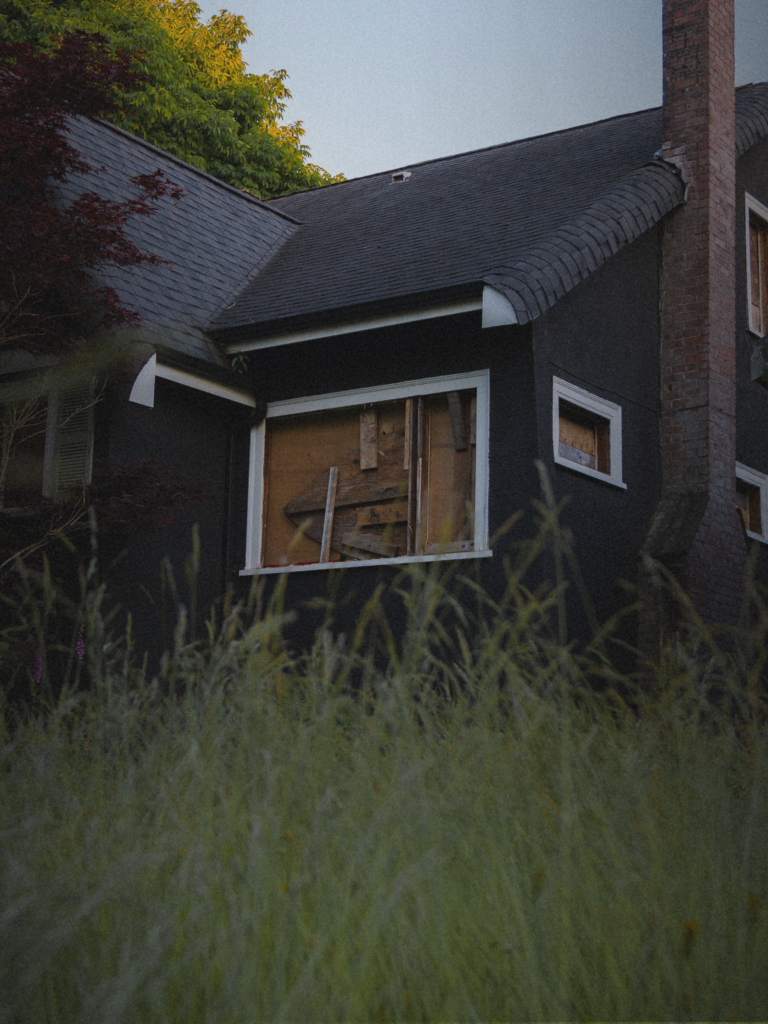
Property damage doesn’t wait.
Whether it’s a leaking roof, a cracked foundation, a broken window, or water intrusion, damage continues to grow every day it’s ignored.
Yet one of the most common mistakes property owners and investors make is believing that waiting will somehow reduce the problem.
In reality, waiting almost always makes property damage more expensive.
The true cost isn’t just the repair itself.
It’s everything the delay creates.
Small Problems Rarely Stay Small
Most major property repairs begin as minor issues.
A missing roof shingle.
A leaking pipe.
Cracked caulking around a window.
Clogged gutters.
Each may seem insignificant on its own.
But over time, moisture spreads, materials deteriorate, and structural systems become compromised.
What could have been repaired quickly and affordably often becomes a much larger restoration project.
Property damage compounds.
Just like interest.
Time Is an Expensive Contractor
Every day, damage goes unaddressed; time continues to work against the property.
Water doesn’t stop spreading.
Wood doesn’t stop rotting.
Mold doesn’t stop growing.
Weather doesn’t stop causing deterioration.
Nature doesn’t pause because repairs have been delayed.
In many cases, the passage of time creates more damage than the original problem itself.
Waiting has a cost.
And that cost increases every day.
Delayed Repairs Create Hidden Expenses
Most investors calculate their repair costs.
Far fewer calculate the secondary costs created by waiting.
These include:
- Increased holding costs
- Higher insurance claims or deductibles
- Additional labor and materials
- Longer project timelines
- Extended vacancy
- Lost rental income
- Reduced buyer confidence
- Lower resale value
The repair itself may only be part of the financial loss.
The delay often becomes even more expensive.
Damage Affects More Than the Structure
Property damage doesn’t simply impact buildings.
It affects investment performance.
Projects take longer.
Budgets increase.
Financing costs rise.
Unexpected repairs consume reserves that could have been invested elsewhere.
The result is reduced profitability.
Many investors believe they’re saving money by postponing repairs.
Instead, they’re allowing costs to compound.
Experienced Investors Think Differently
Professional investors understand that protecting value begins with acting quickly.
They know preventative maintenance is usually less expensive than corrective maintenance.
Rather than asking:
“Can I afford to repair this today?”
That single question changes how every maintenance decision is made.
Property Preservation Is an Investment
Maintenance is often viewed as an expense.
Experienced investors see it differently.
Routine inspections.
Prompt repairs.
Preventative maintenance.
These actions protect more than buildings.
They protect equity.
Cash flow.
Profitability.
And long-term investment performance.
Every dollar spent preserving a property can prevent many more dollars in future losses.
Final Thoughts
The true cost of waiting isn’t measured only by repair bills.
It’s measured by everything the delay creates.
Longer vacancies.
Higher holding costs.
Lost opportunities.
Reduced property value.
Successful investors understand that time is either creating value or destroying it.
The longer property damage is ignored, the more expensive the outcome becomes.
Because in real estate, waiting rarely saves money.
It usually costs far more than acting early.