
A practical framework for evaluating, stabilizing, and transforming distressed properties into durable real estate assets.
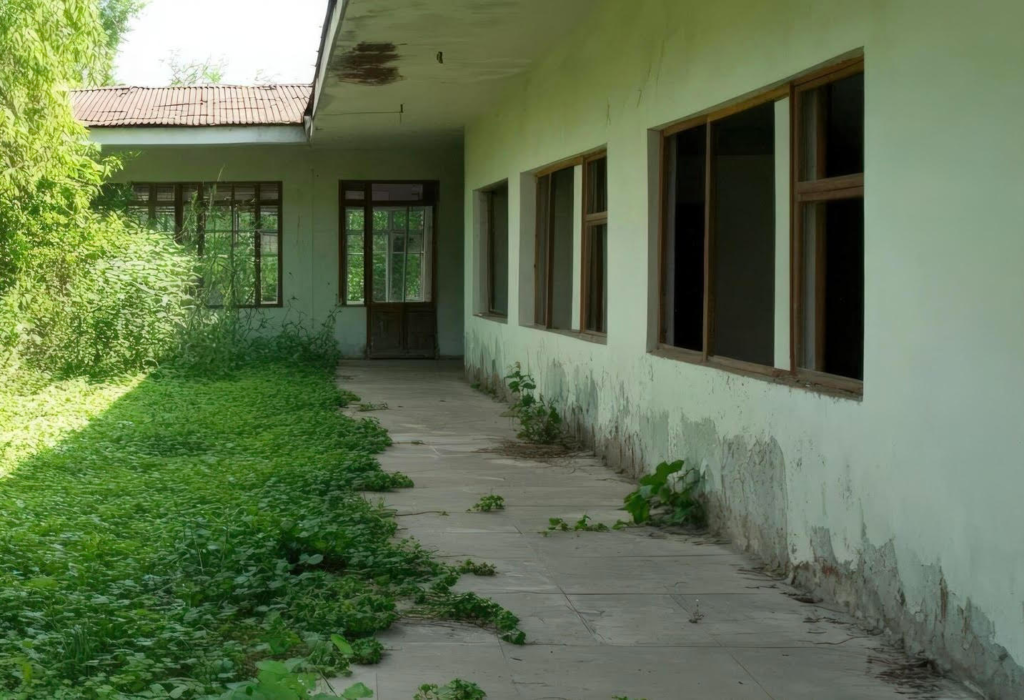
Real estate value is often described as something to be found, a deal discovered, a neighborhood identified, or a property purchased below market price. But in practice, especially with distressed and vacant properties, real estate value is not found. It is built.
Vacant properties present a unique challenge. Without active management, they deteriorate quickly. Deferred maintenance compounds, holding costs increase, and timelines increase. What initially appears to be an opportunity can quietly become a liability.
The difference between a profitable investment and a declining asset is not luck or timing. It is a process.
This article outlines a practical framework for how real estate value is actually created in vacant and distressed properties. By understanding how evaluation, stabilization, cost control, and distressed properties work. By understanding how evaluation, stabilization, cost control, and disciplined execution work together, investors can transform underperforming assets into durable, long-term value.
Key Takeaways
- Real estate value is rarely created by cosmetic improvements alone.
- Long-term value depends on disciplined evaluation, preservation, and operational decisions.
- Vacant properties decline quickly when stabilization and maintenance are delayed.
- Successful investors focus on process and risk management, not just purchase price.
The Myth of “Finding” Value
In many real estate conversations, value is treated as something hidden.
A deal you uncover.
A mispriced asset you identify.
A neighborhood about to turn.
There is some truth in opportunity recognition. But opportunity without structure rarely produces durable results.
Vacant and distressed properties do not fail dramatically. They decline procedurally.
- Deferred maintenance compounds
- Environmental exposure accelerates damage
- Holding costs quietly accumulate
- Timelines extend
- Margins compress
The difference between loss and durable value is rarely dramatic. It is operational.
The difference is process.
The From Vacant to Valuable Framework
Durable real estate value rests on five interdependent pillars:
- Evaluation before Enthusiasm
- Stabilization Before Improvement
- Cost Control During Holding
- Operational Discipline
- Strategic Exit Alignment
When these pillars are aligned, vacant property becomes productive. When they are neglected, deterioration compounds faster than improvement. Let’s examine each.
Pillar 1: Evaluation Before Enthusiasm
Most acquisition analysis focuses on visible upside:
- Comparable sales
- After-repair value
- Renovation cost estimates
- Purchase discount
But vacant properties carry risks that do not show up in surface-level projections:
- Structural degradation
- Water intrusion history
- Mechanical System failure
- Code non-compliance
- Duration exposure
- Insurance complications
- Vacancy related vandalism risk
Evaluation is not just about price.
It is about exposure.
A discounted purchase price does not protect against extended holding periods, structural surprises, or misaligned exit assumptions.
Durable value begins with disciplined underwriting that accounts for:
- Time risk
- Cost drift
- Operational complexity
- Capital liquidity
- Market timing
Enthusiasm may secure a deal.
Evaluation determines whether it survives.
Pillar 2: Stabilization Before Improvement
Many investors rush to improve.
Paint. Flooring. Visual transformation.
But cosmetic upgrades applied to unstable systems create fragile assets.
Stabilization must precede improvement.
Stabilization includes:
- Structural integrity
- Roof and exterior envelope
- Proper drainage and water management
- Utility system functionality
- Security and weatherproofing
- Code and safety compliance
Without stabilization:
- Water intrusion undermines finishes
- HVAC failure damages interiors
- Electrical deficiencies create risk
- Moisture accelerated decay
Vacant properties deteriorate faster than occupied ones. The absence of daily use hides small failures until they become major losses.
Improvement enhances value.
Stabilization protects it.
And protection comes first.
Pillar 3: Cost Control During Holding
Purchase price is fixed.
Holding costs compound.
Taxes.
Insurance.
Utilities.
Security.
Financing.
Opportunity cost.
Every additional month extends exposure.
The real risk in vacant property investing is not simply renovation cost, but duration.
Extended timelines quietly erode projected returns:
- Insurance premiums increase
- Contractor availability shifts
- Market conditions change
- Capital remains tied up
- Exit timing drifts
Many investors underestimate how strongly duration influences outcome.
Two identical properties purchased at the same price can produce radically different results based solely on how long they remain in transition.
Time is not neutral in real estate.
It is an expense.
Disciplined cost control during holding protects margin far more reliably than optimistic after-repair projections.
Pillar 4: Operational Discipline
Real estate value compounds through small decisions.
Inspection schedules.
Vendor selection.
Budget adherence.
Timeline management.
Sequencing work.
Poor sequencing alone can extend projects by months:
- Installing finishes before mechanical resolution
- Addressing cosmetic items before structural ones
- Failing to coordinate trades efficiently
Operational clarity reduces friction.
Friction increases cost
The difference between a property that stabilizes efficiency and one that drifts into extended holding is rarely dramatic incompetence.
It is small lapses in discipline.
Deferred inspection.
Unchallenged cost overruns.
Loose contractor oversight.
Optimistic scheduling.
Compounding decisions work in both directions.
Structured execution produces durable outcomes.
Unstructured execution produces erosion.
Pillar 5: Strategic Exit Alignment
Every acquisition contains an implicit exit assumption.
Flip.
Long-term rental
Refinance
Portfolio hold.
But if the entry strategy does not align with the exit environment, value creation fractures.
Examples of misalignment:
- Renovating above neighborhood ceiling
- Underestimating buyer sensitivity
- Ignoring rental demand depth
- Assuming liquidity during tightening markets
- Misjudging appraisal constraints
Strategic alignment requires clarity from the beginning:
- Who is the end user?
- What condition do they expect?
- What financing will they likely use?
- What market cycle are you entering?
Value is not only created through improvement.
It is realized through alignment. Without alignment, improvements may not translate into returns.
How Discipline Compounds Real Estate Value
Small decisions accumulate.
Consider two properties:
Property A:
- Evaluated conservatively
- Stabilized immediately
- Renovated in discipled sequence
- Timeline controlled
- Exit aligned with market depth
Property B:
- Purchased optimistically
- Stabilization delayed
- Cosmetic work prioritized
- Budget drift tolerated
- Exit assumed rather than planned
The divergence may not appear dramatic in month one.
But by month six, the difference is measurable.
By month twelve, it is structural.
In real estate, the margin between durable success and disappointing return is often procedural, not emotional.
Value compounds when discipline compounds.
Why Surface Level Improvement Are Overvalued
Before and after transformations are visually persuasive.
But paint does not correct:
- Drainage failure
- Structural settlement
- Poor acquisition standards
- Excessive duration
- Weak underwriting
Cosmetic upgrades improve perception.
Structural discipline improves outcome.
Many properties that appear successful immediately after renovation decline within years due to neglected systems or misaligned fundamentals.
Durable value survives beyond the sale.
A Practical Model for Evaluating Distressed Properties
For those entering real estate, especially in vacant or distressed environments, consider this condensed checklist:
Before Purchase:
- Have I evaluated structural and environmental exposure?
- Have I modeled conservative holding duration?
- Have I accounted for insurance and vacancy risk?
During Stabilization:
- Are structural systems secured before cosmetic improvements?
- Are water and mechanical systems fully addressed?
During Holding:
- Are costs monitored monthly?
- Is timeline drift controlled?
- Are contractors accountable?
Before Exit:
- Is my end buyer clearly defined?
- Does the property align with market expectations?
- Is timing realistic?
Value creation is rarely accidental.
It is structured.
Real Value is Built, Not Discovered
Vacant properties present an opportunity because they are exposed.
Exposure creates risk.
Risk requires structure.
The difference between decay and durability lies in process:
- Disciplined evaluation
- Structured stabilization
- Controlled holding
- Operational clarity
- Strategic alignment
Real estate is not a single transaction.
It is a sequence of decisions.
And when that sequence is governed by discipline rather than enthusiasm, vacant property becomes valuable not temporary but durable.
That is the difference between speculation and structure.
That is the difference between surface-level improvement and durable asset creation.
That is the foundation of turning vacant properties into durable real estate value.
FAQ:
Why do vacant properties lose value so quickly?
Vacant properties deteriorate quickly because small issues like moisture, pests, and deferred maintenance compound when no one is actively maintaining the property.
Does renovating a property automatically increase its value?
Not always. Cosmetic upgrades can improve appearance, but real value creation depends on structural stability, market demand, and disciplined financial decisions.
What is property preservation in real estate?
Property preservation refers to the maintenance and stabilization activities that protect a property during vacancy, preventing deterioration and protecting long-term value.