
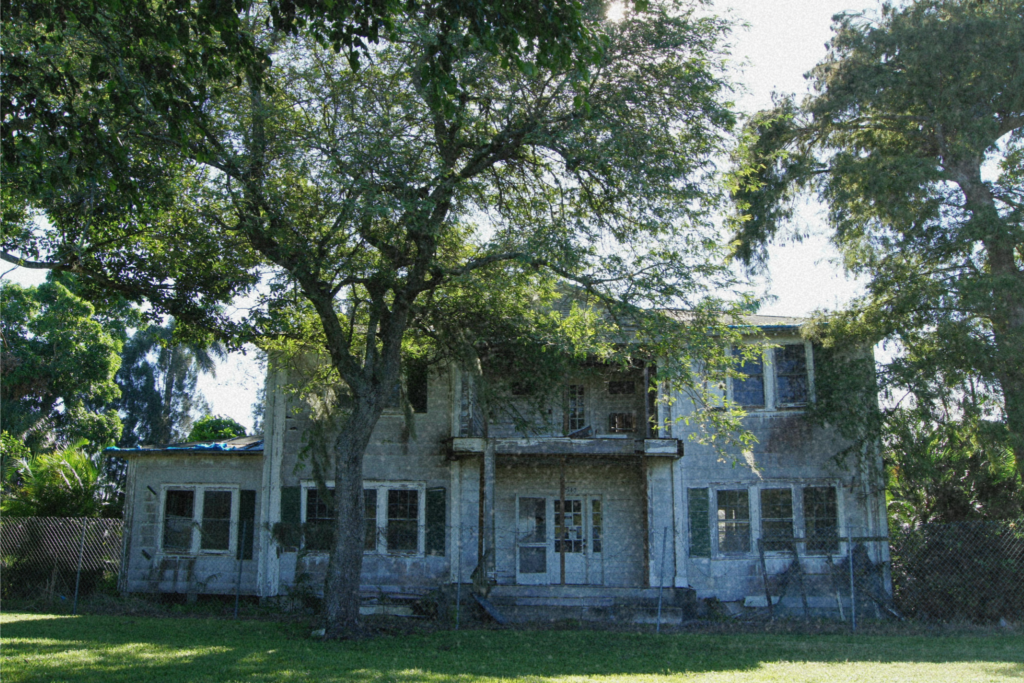
Many investors believe the hard part of real estate investing is finding the deal.
But in distressed real estate, what happens after the purchase is often what determines whether a project becomes profitable or financially painful.
The first 30 days after buying a vacant property are critical.
This is the period where:
- Hidden damage begins revealing itself,
- Deterioration can accelerate,
- Holding cost start compounding
- and small operational mistakes can quietly become expensive problems
A vacant property that sits unmanaged for even a few weeks can quickly decline in condition and value.
That’s why experienced investors focus heavily on stabilization before renovation.
Because before a property can create value, it first has to stop losing it.
Why the First 30 Days Matter So Much
Vacant properties are vulnerable by nature. Once a home becomes unoccupied, problems tend to compound faster than most new investors realize.
Minor leaks turn into water damage.
Humidity creates mold.
Unsecured access incites vandalism and theft.
Overgrown landscaping signals neglect.
Deferred maintenance quietly worsens.
And additional day increases carrying costs.
The first month is not just about ownership.
It’s about control.
Experienced investors understand that the goal during the first 30 days is not immediately creating profit; it’s preventing further deterioration while building a clear operational plan.
Stabilization Should Come Before Renovation
One of the biggest mistakes investors make is rushing directly into cosmetic improvements.
Fresh paint and new flooring may improve appearance, but they do little if the property still has unresolved structural, moisture, roofing, plumbing, or security issues.
Stabilization focuses on protecting the property first.
That often includes:
- Securing entry points,
- Addressing active leaks,
- Checking electrical and plumbing systems,
- Preventing moisture intrusion,
- Removing debris,
- Restoring basic safety
- and stopping ongoing deterioration
Without stabilization, cosmetic renovations often become temporary improvements layered over growing problems.
Real value creation starts with preserving and protecting the asset.
The First Priority: Secure the Property
Vacant properties attract attention quickly.
Broken windows, unsecured doors, or signs of abandonment can invite:
- Vandalism
- Theft
- Trespassing
- Illegal dumping
- and additional property damage
One of the first priorities after closing should be securing the property properly.
That may include:
- Changing locks
- Boarding broken windows
- Installing temporary lighting
- Adding security cameras
- Clearing visible debris,
- and maintaining the exterior appearance.
A property they appear monitored and maintained is less likely to attract unwanted activity.
Security is not just protection.
It is part of preservation.
Inspect for Active Damage Immediately
Many distressed properties contain hidden issues that worsen over time if left unresolved.
The first 30 days should include a detailed inspection of:
- Roofing
- Plumbing
- HVAC system
- Electrical system
- Foundations
- Drainage
- Moisture intrusion
- Pest activity
- and structural concerns.
The goal is to identify:
- What is actively causing deterioration,
- What requires immediate attention,
- what can wait until later phases of the project.
Not every issue needs immediate renovation.
But active damage should never be ignored.
Moisture Is One of the Biggest Threats to Vacant Properties
Few things destroy vacant properties faster than uncontrolled moisture.
A small roof leak or plumbing issue can quietly create:
- mold
- rotted framing,
- damaged drywall,
- warped flooring
- and structural deterioration.
Vacant homes often lack climate control and daily monitoring, which allows moisture problems to worsen unnoticed.
That’s why experienced investors prioritize:
- leak detection,
- roof inspections,
- drainage correction,
- ventilation,
- and humidity control early in the process.
Many expensive renovations begin as small water problems that were ignored for too long.
Holding Costs Start Immediately
Many investors focus heavily on purchase price while underestimating carrying costs.
But once the property is purchased, the clock starts immediately.
Holding costs may include:
- taxes
- insurance
- utilities
- financing payments
- maintenance
- lawn care
- security
- permit delays
- and contractor downtime.
The longer a project remains unstable or delayed, the more those costs quietly compound.
This is one reason operational discipline matters so much in real estate investing.
Poor planning can slowly destroy otherwise good deals.
Create a Clear Operational Plan Early
The first 30 days should also be used to create structure around the project.
That means establishing:
- Budgets
- Contractor timelines
- Repair priorities
- Inspection schedules
- Material planning
- and exit strategy alignment
Too many investors operate reactively instead of strategically.
Without a clear plan:
- Projects become disorganized
- Timelines extend
- Costs increase
- and decision-making becomes emotional.
- A well-managed project usually begins with disciplined preparation.
Cosmetic Improvements Can Wait
Many new investors feel pressure to make properties “look better” quickly.
But appearance should not come before stabilization.
A property with:
- Hidden moisture
- Foundation movement
- Electrical problems
- or unresolved leaks
does not become safer or more valuable simply because it received cosmetic upgrades.
Experienced investors understand that invisible improvements often matter more than visible ones during the early stages of a project.
The most important work is often work buyers never see.
Vacant Properties Reward Discipline
Distressed real estate can create opportunity.
But it also exposes poor planning quickly.
The investors who consistently succeed are usually not the ones chasing the most deals.
They are the ones who:
- stabilize properties efficiently
- manage risk carefully
- control holding costs
- and follow disciplined operational processes
Because in distressed real estate, value is rarely created overnight.
It is built through consistent decisions made over time.
Conclusion
The first 30 days after buying a vacant property can determine the direction of the entire project.
This is the stage where investors either:
- stabilize the asset
- reduce ongoing deterioration
- and build operational control
or allow problems, delays, and costs to quietly compound.
Before a vacant property can become valuable, it first has to become protected, stabilized, and properly managed.
That process starts immediately after closing, not months later.