Framework Stage 2- Stabilization
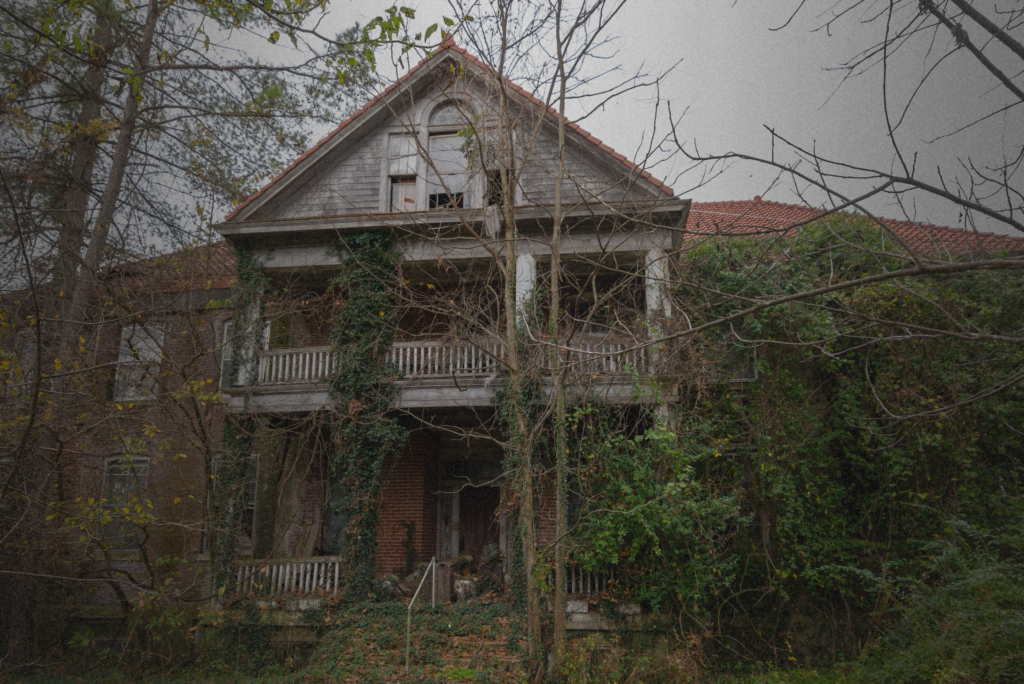
Most Investors assume major renovation costs begin inside a property.
New kitchens.
New bathrooms.
New flooring.
But in reality, some of the most expensive repair bills begin outside.
The exterior of a property is its first line of defense against water, pests, weather, and structural deterioration. When routine exterior maintenance is ignored, small issues quietly grow into expensive repairs that can dramatically reduce property value.
Successful real estate investors understand that protecting a property’s exterior isn’t about appearance, it’s about preserving the entire investment.
Why Exterior Maintenance Matters
A building exterior protects every major system inside the home.
When that protective barrier begins to fail, the damage rarely stays outside.
Water enters through damaged roofing.
Rot spreads into framing.
Moisture creates mold.
Pest find easy entry points.
Eventually, cosmetic repairs become structural repairs.
That’s why stabilization always begins with protecting the building envelope.
1. Roof Damage Rarely Stays on the Roof
A missing shingle may seem insignificant.
But over time, even small roof failures allow moisture into the attic, insulation, framing, and ceilings.
What start as a simple repair can eventually require:
- Roof decking replacement
- Insulation replacement
- Drywall repair
- Mold remediation
- Structural framing repairs
Routine roof inspections often prevent thousands of dollars in unnecessary expenses.
2. Gutters Protect More Than Rainwater
Many investors underestimate the importance of gutters.
Properly functioning gutters direct water safely away from the home.
When gutters become clogged or damaged, water begins flowing exactly where it shouldn’t
Common problems include:
- Foundation settlement
- Basement or crawlspace moisture
- Soil erosion
- Rotten fascia boards
- Damaged siding
Cleaning gutters twice a year is one of the simplest ways to protect long-term property value.
3. Damaged Siding Allows Moisture to Enter
Cracked siding.
Missing caulking.
Peeling paint.
Loose trim.
These may appear cosmetic, but each creates an opportunity for water intrusion.
Once moisture reached the framing, hidden deterioration begins.
Because the damage often remains invisible for months, or even years it can become extremely expensive before it’s finally discovered.
4. Landscaping Can Damage a Property
Overgrown landscaping doesn’t just reduce curb appeal.
It creates maintenance problems.
Trees hanging over roofs can:
- Damage shingles
- Block gutters
- Trap moisture
- Encourage moss growth
Shrubs growing against exterior walls can:
- Hold moisture
- Hide termite activity
- Restrict airflow
- Accelerate wood rot
Health landscaping should protect a home- not damage it.
5. Small Exterior Cracks Become Big Structural Problems
Tiny cracks around windows, doors, foundations, or masonry often seem harmless.
But they allow water and insects to enter the structure.
Overtime this can lead to:
- Wood rot
- Mold growth
- Pest infestations
- Foundation deterioration
Regular inspections and sealing small gaps early can prevent major repairs later.
Exterior Maintenance is Risk Management
One of the biggest mistakes investors make is confusing maintenance with expense.
Maintenance isn’t money lost.
It’s risk avoided.
Every dollar spent protecting a property’s exterior helps reduce the likelihood of far larger repair costs in the future.
Experienced investors understand that preservation is often far less expensive than restoration.
A Simple Exterior Inspection Checklist
When evaluation a property, inspect:
- Roof condition
- Gutter and downspouts
- Siding and trim
- Windows and exterior caulking
- Foundation cracks
- Drainage around the property
- Tree limbs over the roof
- Vegetation touching the home
- Exterior paint condition
- Signs of moisture or pest activity
These simple observations can reveal problems before they become costly surprises.
Conclusion
The hidden costs of ignoring exterior maintenance isn’t simply higher repair bills.
It’s accelerated deterioration.
It’s reduced property value.
It’s longer renovation timelines.
It’s unexpected expenses that could have been prevented.
At From Vacant to Valuable, we believe lasting value is created by protecting a property’s systems became investing in cosmetic improvements.
Strong exteriors protect strong investments.
Before you renovate, stabilize.
Before you upgrade, preserve.
That’s how vacant properties become valuable assets.