
Framework Series × Stage 2: Stabilization
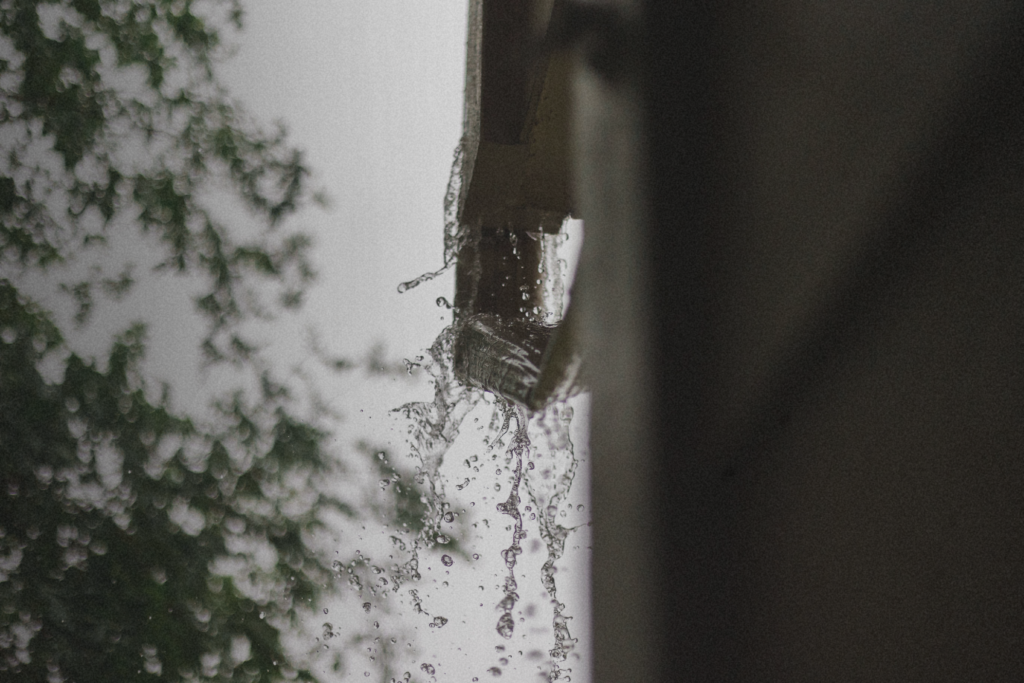
When investors think about expensive property damage, they often picture foundation failures, fire damage, or major structural repairs.
But the most destructive force affecting real estate isn’t dramatic.
It’s water.
Water doesn’t usually destroy a property overnight. Instead, it works quietly, slowly and relentlessly. A small roof leak, clogged gutter, cracked piece of siding, or failed window seal can begin a chain reaction of deterioration that continues for months, or even years, before it’s discovered.
By the time the damage becomes visible, repairs costs have often multiplied.
That’s why experienced investors treat water as the first enemy to control.
Water Never Stops Working
Unlike many property problems, water doesn’t wait.
Every rainfall.
Every plumbing leak.
Every humid day.
Every clogged gutter.
Every failed seal.
Each one creates another opportunity for deterioration.
Water always follows the path of least resistance.
Once it finds a way inside a structure, it begins damaging everything in its path.
What Water Actually Destroys
Most people think water damages drywall.
That’s only the beginning.
Moisture affects nearly every major building system.
Including:
- Roof decking
- Structural framing
- Insulation
- Electrical systems
- Flooring
- Cabinets
- Drywall
- Windows
- Foundations
- HVAC systems
One leak can eventually impact multiple trades, dramatically increasing renovation costs.
Hidden Cost of Water Damage
The financial impact isn’t limited to repairs.
Water damage often creates:
- Mold remediation
- Structural reconstruction
- Higher insurance claims
- Longer renovation timelines
- Increased holding costs
- Delayed rental income
- Reduce resale value
Many investors budget for renovations.
Few budget for hidden moisture damage.
The Most Common Sources of Water Intrusion
Water rarely enters through dramatic failures.
It usually begins with small maintenance issues.
Roof Damage
Missing shingles.
Damaged flashing.
Failed roof penetrations.
Gutters
Overflowing gutters.
Poor drainage.
Improper downspout placement.
Windows & Doors
Cracked trim
Plumbing
Hidden leaks.
Burst pipes.
Loose fittings.
Foundation
Poor grading.
Standing water.
Foundation cracks.
Small problems become expensive because they’re ignored, not because they’re complicated.
Why Vacant Properties Are Especially Vulnerable
Occupied homes often reveal water problems quickly.
Someone notices:
A ceiling stain.
A dripping faucet.
A damp smell.
Vacant properties don’t have the advantage.
Leaks continue unnoticed.
Humidity builds.
Air circulation decreases.
Mold spreads.
Wood deteriorates.
What could have been repaired for a few hundred dollars becomes a renovation costing thousands.
Time becomes water’s greatest ally.
Prevention Costs Less Than Restoration
Successful investors don’t wait for visible damage.
They actively prevent it.
That means:
- Inspecting roofs regularly
- Cleaning gutters
- Checking exterior caulking
- Monitoring drainage
- Repairing plumbing leaks immediately
- Securing vacant properties
- Maintaining proper ventilation
Every small maintenance decision helps preserve long-term property value.
Water Is a Stabilization Problem
One of the biggest misconceptions in real estate is believing water damage is a renovation issue.
It isn’t.
If water continues to enter a property, no renovation can protect it.
Beautiful flooring.
New cabinets.
Fresh paint.
None of it matters if moisture continues destroying the structure beneath it.
That’s why stabilization always comes before renovation.
Practical Water Damage Inspection Checklist
When evaluating any property, inspect:
- Roof condition
- Flashing around chimneys and vents
- Gutters and Downspouts
- Exterior grading
- Foundation cracks
- Window and door seals
- Plumbing fixtures
- Water stains on ceilings
- Soft flooring
- Signs of mold or mildew
- Crawlspace and basements
The earlier you identify water intrusion, the less expensive it becomes to repair.
Conclusion
Water doesn’t care whether a property is occupied or vacant.
It doesn’t care whether renovations are scheduled next month.
It doesn’t wait for permits.
Or contractor availability.
Or closing dates.
It simply continues doing what it always does, finding weaknesses and expanding them.
Experienced investors understand that protecting a property from water is one of the highest return investments they can make.
Because every successful renovation begins with a dry, stable structure.
Protect the property.
Control the water.
Then create value.
That’s how vacant properties become valuable.
From Vacant to Valuable Framework
Framework Series
Stage 2× Stabilization
Framework Principle
Control water before it controls your investment.
Water is never “just” a maintenance issue.
It’s one of the most significant threats to long-term property value.
Framework Action
An investor purchases a vacant home after several months of on the market. During the walkthrough, they notice a small ceiling stain and overflowing gutters. Instead of starting cosmetic renovations, they first repair the roof, clean the gutters, improve drainage, and dry the affected areas. That decision prevents mold, protects framing and saves thousands of future repairs.