Framework Series× Stage 2: Stabilization
When people think about property value, they often picture kitchens, bathrooms, flooring, or fresh paint.
While cosmetic improvements can certainly increase a property’s appeal, they rarely determine whether an investment succeeds or fails.
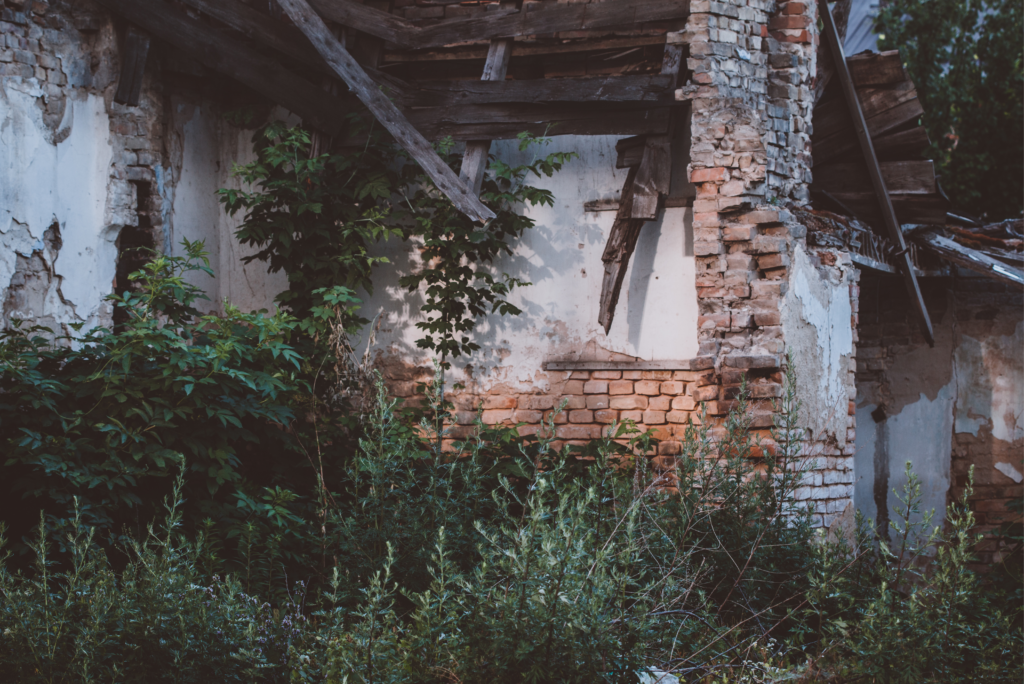
The systems hidden behind the walls, beneath the floors, and above the ceilings have a far greater impact on long-term property value.
Experienced investors understand that protecting these systems comes before upgrading finishes.
Ignoring them can quickly turn a promising investment into an expensive renovation.
Here are the five systems that destroy property value faster than almost anything else.
1. The Roof
Every property depends on one system more than any other.
The roof.
A small leak may seem insignificant, but it rarely stays that way.
When water enters through a damaged roof, it begins affecting multiple areas of the home:
- Insulation
- Drywall
- Electrical system
- Flooring
- Structural framing
- Interior finishes
What starts as a missing shingle can eventually require tens of thousands of dollars in repairs.
Protecting the roof protects everything beneath it.
2. Water Management
Water is one of the most destructive forces affecting real estate.
It doesn’t matter whether it comes from:
- Plumbing leaks
- Poor drainage
- Broken gutter
- Flooring
- Foundation seepage
- Burst pipe
Water always finds a path.
And once it enters a structure, deterioration begins immediately.
Moisture creates:
- Mold
- Wood rot
- Corrosion
- Structural weakening
- Poor indoor air quality
Experienced investors don’t simply repair water damage.
They eliminate the source.
3. The Foundation
The foundation supports every other component of the structure.
When foundation issues develop, they often appear throughout the home as:
- Cracked walls
- Uneven floors
- Sticking doors
- Window alignment problems
- Plumbing stress
- Structural movement
Minor settlement is common.
Significant movement is expensive.
Addressing foundation concerns early often prevents larger structural repairs later.
4. Electrical Systems
Older electrical systems can present both safety and financial risks.
Common issues include:
- Outdated wiring
- Overlooked panels
- Improper repairs
- Fire hazards
- Code violations
Beyond safety concerns, electrical deficiencies can delay renovations, increase insurance costs, and complicate financing.
A thorough inspection helps identify problems before renovation begins.
5. HVAC Systems
Heating and cooling systems affect far more the comfort.
A neglected HVAC system can contribute to:
- Excess humidity
- Mold growth
- Poor ventilation
- Higher operating costs
- Reduced energy efficiency
Vacant homes often experience additional wear when systems sit unused for extended periods.
Routine inspections and maintenance help preserve both the equipment and the property itself.
Why These Systems Matter More Than Cosmetic Improvements
New flooring can wait.
Fresh paint can wait.
Cabinets can wait.
The five systems above can’t.
Experienced investors know that cosmetic upgrades only create lasting value when the property’s core systems are functioning properly.
Ignoring these systems often leads to:
- Larger repair bills
- Longer renovation timelines
- Higher holding costs
- Lower resale value
- Unexpected project delays
Protecting the systems that protect the property should always come first.
A Practical Inspection Checklist
When evaluating a vacant property, ask yourself:
Is the roof actively leaking?
Is there evidence of water intrusion?
Does the foundation show signs of movement?
Is the electrical system safe and functional?
Is the HVAC system operating properly?
If the answer to any of these questions is no, stabilization should begin before cosmetic renovations.
Conclusion
Successful real estate investing isn’t about finding the perfect property.
It’s about understanding where value is gained, and where it can quietly disappear.
The roof…
Water management…
The foundation…
Electrical…
HVAC…
These five systems determine whether a property continues gaining value or steadily loses it.
That’s why experienced investors protect the structure before they improve its appearance.
Because lasting value is built on strong systems, not beautiful finishes.