
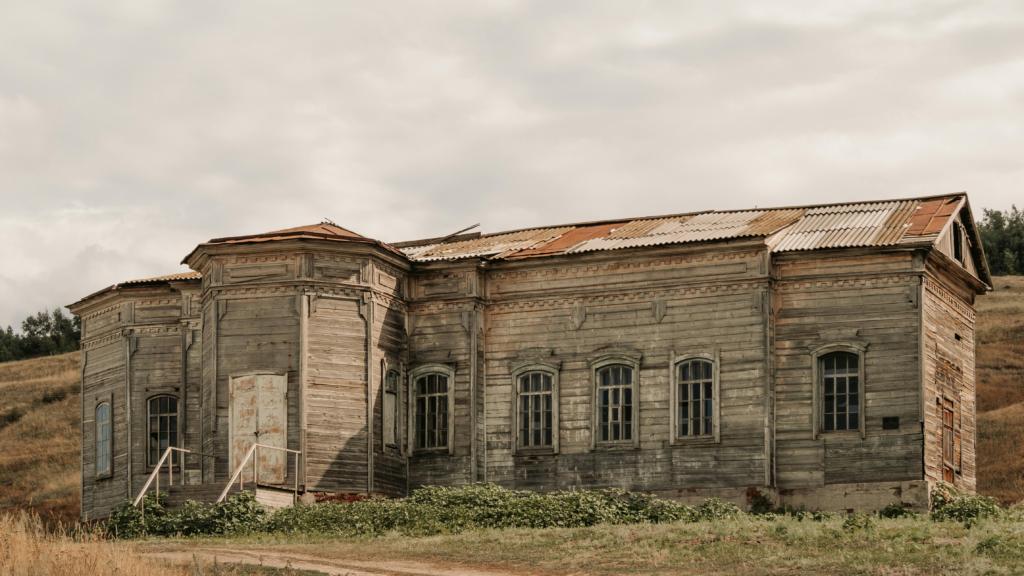
A distressed property can look like an opportunity, or it can quietly become a liability.
The difference isn’t just in the purchase price. It’s in what you fail to see before you buy.
Most investors don’t lose money because they chose the wrong property. They lose money because they overlooked risk hiding in plain sight.
This checklist isn’t about creating fear; it’s about creating clarity. If you can identify risk early, you can control it. If you ignore it, it controls your outcome.
Before You Start: Understand What “Risk” Really Means
In distressed properties, risk shows up in three ways:
- Visible damage (what you can see)
- Hidden problems (what you can’t see yet)
- Time + cost exposure (what delays and compounds)
This checklist will help you identify all three before you commit.
Distressed Property Risk Checklist
1. Structural Integrity (Foundation first)
If the structure is compromised, everything else becomes more expensive.
What to look for:
- Cracks in foundation walls or slab (especially horizontal or widening cracks)
- Uneven or sloping floors
- Doors/windows that don’t close properly
- Separation in walls, ceiling, or corners
Why it matters:
Structural issues are high cost, high risk, and often underestimated. They can destroy your budget quickly.
2. Roof Condition & Water Intrusion
Water is one of the most destructive forces in a distressed property.
What to look for:
- Missing, curling, or damaged shingles
- Sagging roof lines
- Water stains on ceilings or walls
- Signs of mold, mildew, or soft drywall
- Rotting fascia or soffits
Why it matters:
Water damage doesn’t stay isolated; it spreads. What looks like a minor repair can become a full structural and interior rebuild.
3. Electrical System Risk
Outdated or damaged electrical systems aren’t just expensive, they’re dangerous.
What to look for:
- Old panels (fuse boxes or outdated breakers)
- Exposed or frayed wiring
- Burn marks or discoloration around outlets
- Non-permitted electrical work
Why it matters:
Electrical issues often require full replacement to meet code. This adds cost and can delay your timeline.
4. Plumbing System Issues
Plumbing problems can be hidden and costly once exposed.
What to look for:
- Low water pressure
- Visible leak or corrosion
- Stains under sinks or around fixtures
- Signs of previous water damage
Why it matters:
Replacing plumbing (especially in older homes) can escalate quickly, especially if walls and floors need to be opened.
5. HVAC Condition
Heating and cooling systems are often overlooked during initial walkthroughs.
What to look for:
- Age and condition of HVAC units
- Missing or damaged ductwork
- Rust, noise, or lack of maintenance
- Non-functioning systems
Why it matters:
HVAC replacement is a major cost that must be factored into your deal upfront, not discovered later.
6. Signs of Rot Mold, or Pest Damage
These are often symptoms of deeper problems.
What to look for:
- Softwood (especially around windows, doors, and flooring)
- Mold growth or musty smells
- Termite damage or droppings
- Holes or nesting signs for rodents
Why it matters:
These issues don’t just require repair; they require remediation, which adds time and complexity.
7. Code Violations & Permitting Issues
Not all problems are physical; some are legal.
What to look for:
- Unpermitted additions or renovations
- Missing permits for major work
Obvious code violations (electrical, structural, safety)
Why it matters:
You may be forced to redo work, pay fines, or face delays before you can move forward.
8. Neighborhood & Location Risk
Even a well-executed renovation can fail in the wrong environment.
What to look for:
- Property condition of surrounding homes
- Vacancy rates in the area
- Signs of neglect or decline
- Market demand for your exit strategy
Why it matters:
You can improve a property, but you can’t control the neighborhood.
9. Holding Cost Exposure (The Silent Risk)
This is where many deals actually fail.
What to evaluate:
- Estimated timeline vs. realistic timeline
- Monthly holding costs (taxes, insurance, utilities, financing)
- Risk of delays (permits, contractors, inspectors)
Why it matters:
Time compounds cost. The longer you hold, the smaller the profit becomes, or the larger your loss.
10. Your Own Assumptions
This is the most overlooked risk.
Ask yourself:
- Am I underestimating repair costs?
- Am I assuming everything will go smoothly?
- Am I buying based on potential instead of reality?
Why it matters:
Most bad deals start with overly optimistic assumptions, not bad properties.
How This Fits into Your Investment Strategy
Identifying risk is only step one.
The goal isn’t to avoid distressed properties; it’s to approach them with discipline.
This is where your strategy matters:
- Evaluate before you get emotionally invested
- Stabilize before you improve
- Control costs during holding
- Align your exit from the beginning
Conclusion
Every distressed property has risk.
The difference between a profitable deal and a failed one isn’t whether risk exists; it’s whether you identified it early and planned for it correctly.
If you slow down long enough to see what others overlook, you put yourself in a position to create real value.
Want a structured way to evaluate deals before you commit? Download the From Vacant to Valuable Investor Decision Framework.