
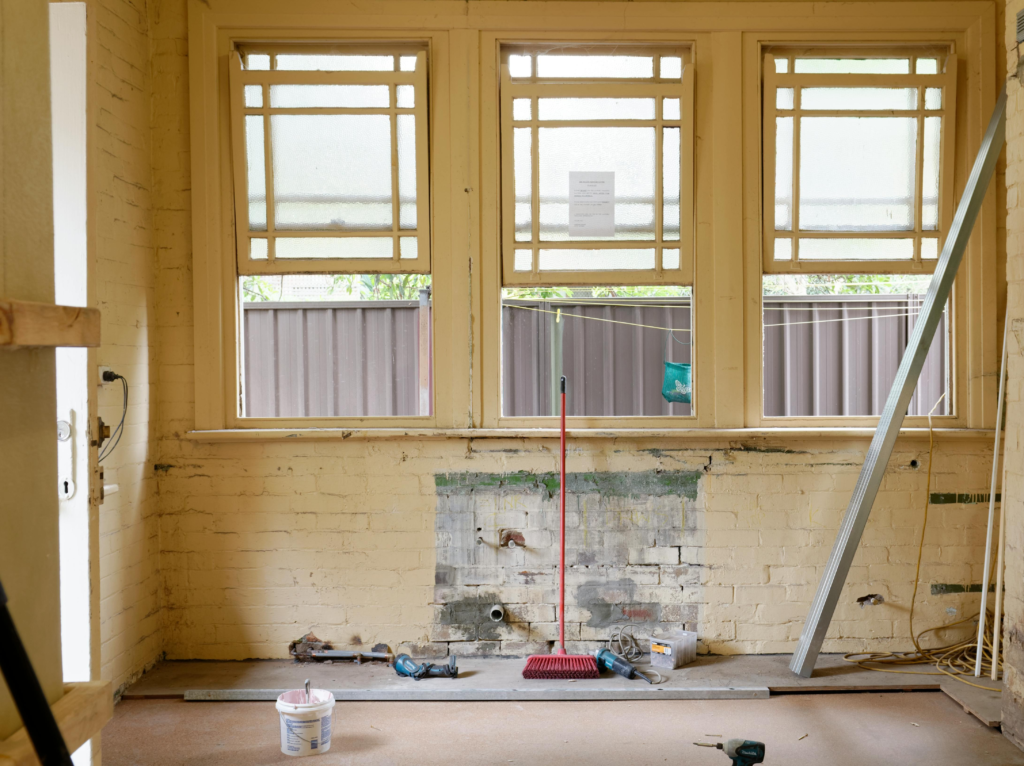
Cosmetic Improvements are often treated as shortcuts to value. A fresh coat of paint, updated fixtures, or new flooding can make a property feel transformed almost overnight. For many investors, that visual change is assumed to translate directly into equity.
But appearance and value are not the same thing.
In real estate, value is created by how property performs, how long it lasts, and how much risk it carries-principles explored more fully in how real value is created over time. Cosmetic upgrades can improve perception, but when they’re applied without addressing underlying fundamentals, they rarely produce durable returns.
This misunderstanding is one of the most common and costly mistakes investors make. It leads to capital being deployed towards surface level improvements while structural, functional or financial issues remain unresolved. In some cases, those unseen problems quietly erase any perceived gains.
This article examines why cosmetic improvements don’t always create value, how markets and appraisers actually assess worth, and when appearance-based upgrades make sense and when they don’t. The goal isn’t to dismiss aesthetics, but to place them in their proper role within a value first investment strategy.
The Difference Between Looking Better and Being Worth More
A property can look improved with actually becoming more valuable.
This distinction is easy to miss because visual upgrades are immediate and emotionally persuasive. New paint, modern fixtures, and updated finishes signal “care” and “progress,” which can influence buyers and even investors into assuming the property it has fundamentally improved.
But value, in real estate terms, is not primarily visual.
Appraisers, lenders and long-term buyers assess value based on function, durability, and risk. They look at structural integrity, mechanical systems, layout efficiency, code compliance, and market positioning. Cosmetic change rarely alter these core drivers. A freshly painted wall does not strengthen a failing foundation, and new flooring does not extend the life of an aging roof.
In many cases, cosmetic upgrades simply mask deferred maintenance rather than resolve it. The property may present better but still carries the same liabilities and sometimes new ones if poor finishes conceal deeper issues.
True value creation occurs when a property becomes safer, more reliable, more functional, or more competitive within its market. Real estate value is created through a sequence of disciplined decisions, not a single transaction. This broader framework is explored in From Vacant to Valuable: How Real Estate Value is Created in Distressed and Vacant Properties. Cosmetic improvements can support that process, but they cannot substitute for it. When appearance is prioritized over fundamentals, the result is often a property that looks ready but isn’t.
How Cosmetic Improvements Can Actually Reduce Returns When Misapplied
Cosmetic improvements are often treated as “safe upgrades- low risk, high reward, and universally appealing. In reality, when they are applied without strategy, they can quietly erode returns rather than increase them.
One of the most common ways this happens is through over-improvement. Investors add finishes that exceed the expectations or price ceiling of the neighborhood. Premium material in a modest market rarely translates into higher resale prices; instead, they inflate cost while leaving exit values unchanged. The result is a tighter margin and greater exposure to market shifts.
Another issue is misaligned timing. Cosmetic upgrades completed before core issues are addressed often have to be undone or damaged during later repairs. Painting before electrical or plumbing work, installing flooring before moisture issues are resolved, or upgrading fixtures before layout inefficiencies are corrected leads to wasted labor and replacement costs. What looked like progress becomes rework. When cosmetic work is used as a shortcut rather than part of a sequence, it often reflects a lack of process and discipline in value creation.
Cosmetic improvements can also mask underlying problems, delaying necessary decisions. A property many appear “finished, encouraging premature listing or rental, only for deeper issues to surface during inspections, appraisals, or occupancy. These surprises typically cost more to fix later, and they undermine buyer confidence when discovered mid-transaction.
There is also the risk of false value signaling. Buyers and lenders may perceive cosmetic-heavy properties as having been superficially flipped rather than thoughtfully improved. In certain markets, this raises skepticism rather than excitement. When trust is lost, pricing power declines.
Ultimately, cosmetic upgrades only add value when they support a broader strategy rooted in function, durability, and market fit. When they are used as a shortcut instead of a finishing layer-they often consume capital without creating leverage.
Framework For Deciding Where Cosmetic Upgrades Belong In a Value Creation Plan
Cosmetic improvements are most effective when they are positioned correctly within the broader sequence of value creation. The challenge is not deciding whether to make aesthetic upgrades, but when and why they belong in the process.
This first consideration is baseline stability. A property must be structurally sound, code-compliant, and operationally reliable before cosmetic work can contribute meaningfully to value. If safety, moisture control, or core systems are unresolved, aesthetic improvements are premature. In these cases, cosmetics add surface appeal without reducing risk.
Next is functional alignment. Cosmetic upgrades should support how the property is meant to be used. Layout efficiency, room purpose, and flow matter more than finishes. Improving appearance without addressing functional limitations often results in a property that looks update but still underperforms. When function improves, cosmetics can reinforce usability rather than distract from it.
Market context is the third filter. Cosmetic choices should reflect the expectations of the intended buyer or tenant, not personal preference or aspirational standards. This requires understanding comparable properties and the price range they support. Upgrades that exceed market norms rarely create proportional returns, regardless of quality.
Timing is equally important. Cosmetic work should occur after disruptive improvements are complete and when the property’s condition is unlikely to change materially. This prevents rework and preserves capital. When applied at the end of the process, cosmetics act as a multiple rather than a cost center.
Finally, cosmetics should be evaluated in terms of optionality. Well-places aesthetic upgrades can expand appeal and smooth exits, but they should not lock a property into a narrow outcome. The best cosmetic decisions preserve flexibility rather than force a specific sale or rental strategy.
When viewed through this framework, cosmetic improvements become intentional tools rather than default actions. They belong at the point where fundamentals are secured, function is optimized, and market alignment is clear. Applied in that order, appearance supports value instead of attempting to create it.
When Cosmetic Improvements Do Create Value
Cosmetic improvements can create real value when they are applied in the right context and at the right stage of the investment process. The key difference is that, in these cases, aesthetics is reinforcing fundamentals rather than compensating for their absence.
One situation where cosmetic upgrades are effective is when a property is already structurally sound and functionally aligned with its market. When core systems are reliable and layout meets buyer or tenant expectations, cometic improvements can enhance perceived quality and accelerate decision-making. In these scenarios, appearance acts as a signal that the property has been properly maintained.
Cosmetic work also adds value when it improves usability, not just appearance. Simple changes- such as improving lighting, addressing worn but functional surfaces, or clarifying room purpose can make a property easier to understand and occupy. These improvements reduce friction for buyers and tenants without introducing unnecessary complexity.
Market positioning matters as well. In competitive environments where multiple properties offer similar fundamentals, cosmetic upgrades can serve as a differentiator. When applied in line with comparable properties, they help a property meet market expectations rather than exceed them. The goal is alignment, not distinction.
Timing reinforces these benefits. When cosmetic improvements are completed after structural and functional work is finished, they are less likely to be disturbed or replaced. Capital is preserved, and the improvements retain their intended impact through sale or lease-up.
In these circumstances, cosmetic upgrades function as finishing layer. They support confidence, improve presentation, and help a property reach it intended audience. What they do not do and should not be asked to do is substitute for the underlying work that makes value durable.
Conclusion
Cosmetic improvements are often mistaken for value because they are immediate and visible. They change how a property feels, which can be persuasive in the short term. But value in real estate is not determined by appearance alone. It is shaped by performance, durability, and the degree of risk a property carries over time.
When cosmetic upgrades are applied without a clear framework, they tend to absorb capital without creating leverage. In some cases, they even reduce returns by masking unresolved issues, inflating costs, or narrowing future options. These outcomes are not the result of poor workmanship, but of misapplied priorities.
Used correctly, cosmetic improvements still have a role. They reinforce fundamentals, clarify function, and help a property align with its market. Their effectiveness depends on timing, context, and restraint.
Real value is created before the paint dries. When appearance is treated as a finishing layer rather than a foundation, cosmetic upgrades support long-term outcomes instead of attempting to manufacture them. The market remembers fundamentals long after finished fade.