
Paint Stock photos by Vecteezy
Vacant properties rarely decline suddenly. In most cases, deterioration begins quietly through small issues that go unaddressed: a minor roof leak, clogged gutters, humidity building inside that structure, or exterior damage that allows water and pests to enter.
When maintenance is postponed or ignored, these small problems rarely remain isolated. They begin to compound, gradually affecting multiple systems within the property. By the time renovation begins that scope of damage may be far greater than originally expected
For investors working with vacant or distressed properties, understanding that impact of deferred maintenance is essential. What appears to be a manageable renovation project can quickly expand into a far more complex and expensive undertaking if structural systems, moisture, or mechanical failures have been neglected for too long.
Deferred maintenance does more than increase repair costs. It affects timelines, holding expense, and ultimately the value that can be created from a property. Recognizing these risks early allows investors and preservation professionals to stabilize properties before small problems evolve into major structural issues.
What Deferred Maintenance Means in Real Estate
Deferred maintenance refers to repairs, upkeep, or system replacements that should have been completed but were postponed or ignored. In real estate, this often occurs when property owners delay necessary work due to financial constraints, neglect, or uncertainty about the future of the property.
Common examples include:
- Roof leaks that are temporarily patched rather than properly repaired
- Damaged gutters that allow water to run down exterior walls
- Failing HVAC systems that are left inactive
- Plumbing leaks that slowly cause moisture damage
- Deteriorating siding or roofing materials
- Cracks in foundations or structural components
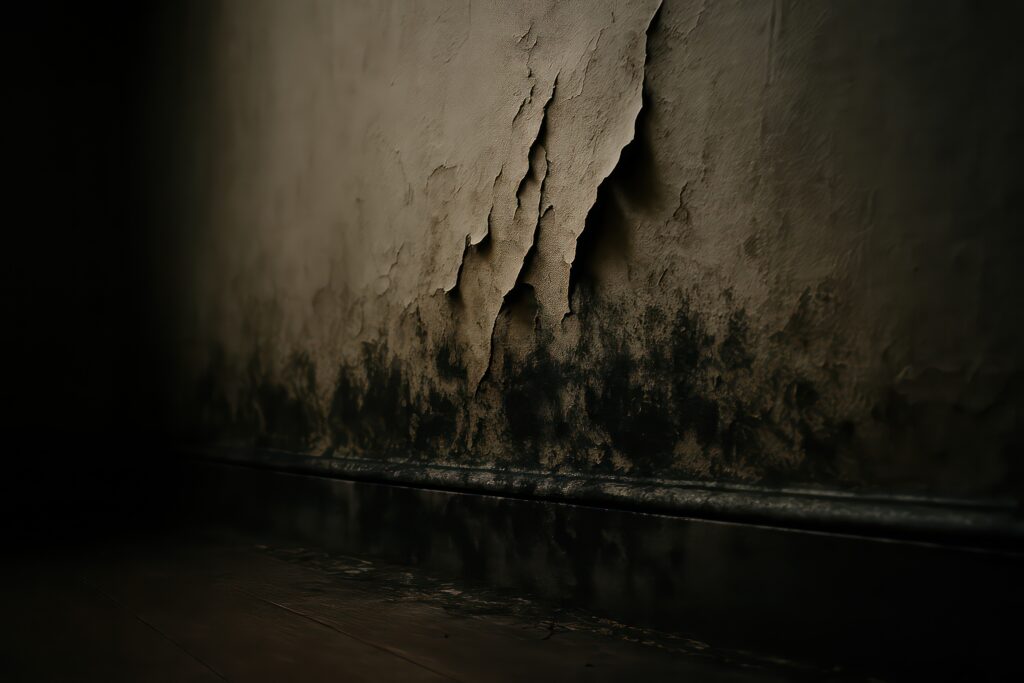
While each issue may initially appear minor, unresolved maintenance problems rarely remain contained. Water intrusion, for example, can affect insulation, drywall, framing, and flooring. Moisture can also create conditions that encourage mold growth or pest activity. Over time, deferred maintenance transforms manageable repairs into more complex structural problems.
Why Vacant Properties Deteriorate Faster
Vacancy introduces a unique set of risks that accelerate property deterioration. When a property is occupied, small problems are more likely to be noticed and addresses quickly. During vacancy those same issues may remain undetected for weeks or months.
Without regular oversight, several conditions begin to emerge:
- Minor leaks go unnoticed
- Humidity and condensation accumulate inside that structure
- Pests gain easier access to the property
- Vandalism or theft becomes more likely
- Utilities may be shut off, limiting climate control
Even seasonal weather changes can cause damage when a property is vacant. Temperature fluctuation, moisture buildup, and poor ventilation can slowly degrade material within the structure.
These conditions are why stabilization and property preservation are critical when dealing with vacant homes or distressed real estate assets.
The Financial Impact of Deferred Maintenance
One of the most overlooked consequences of deferred maintenance is its impact on holding costs.
When unexpected structural problems are discovered during renovation, project timelines often extend beyond initial expectations. Each additional month that a property remains under renovation increases ongoing expenses.
These costs may include:
- Property taxes
- Insurance
- Utilities
- Financing costs
- Maintenance and security expenses
Even modest delays can significantly affect overall project profitability. This is why experienced investors emphasize stabilization and early inspection rather than immediately focusing on cosmetic improvements.
Preventing deterioration early can reduce both repair costs and the time required to complete a project.
Preventing Deferred Maintenance Through Property Preservation
Property preservation focuses on protecting a property’s structural integrity during periods of vacancy. Instead of allowing deterioration to accelerate, preservation measures stabilize the property until long-term renovation or sale decisions can be made.
Effective preservation strategies typically include:
- Securing doors and windows
- Maintaining drainage systems such as gutters and downspouts
- Controlling interior moisture and ventilation
- Performing regular inspections
- Addressing small repair immediately
These actions prevent environmental exposure, moisture intrusion, and pest activity from damaging the structure.
By maintaining basic property systems during vacancy, preservation efforts help ensure that they property remains structurally sound until renovation or redevelopment begins.
The Role of Discipline in Real Estate Projects
Deferred maintenance highlights a broader truth about real estate investing: value is rarely created through a single decision. Instead, value emerges from a sequence of disciplined choices made over time.
Successful investors recognize that preserving that condition of a property is just as important as acquiring it at the right price. Stabilization, inspection, and preventative maintenance all contribute to protecting long-term value.
When these systems are ignored, even promising investments can become far more complicated and expensive than originally expected.
Understanding how deferred maintenance develops allows investors to approach vacant properties with greater awareness and stronger operational discipline.
Conclusion
Deferred maintenance rarely causes immediate failure. Most properties decline slowly through small issues that accumulate over time.
Water intrusion, neglected repairs, and prolonged vacancy can gradually undermine the structural integrity of a property while increasing the cost required to restore it.
For investors working with vacant or distressed properties, recognizing and addressing these risks early is essential. Stabilization and property preservation are not simply maintenance tasks they are foundational elements of protecting and creating real estate value. Understanding how deferred maintenance affects property value is part of the broader framework explained in From Vacant to Valuable: How Real Estate Value is Created in Distressed and Vacant Properties
By addressing small problems early and maintaining disciplined oversight during vacancy, investors can prevent deterioration from manageable projects into costly structural repairs.