
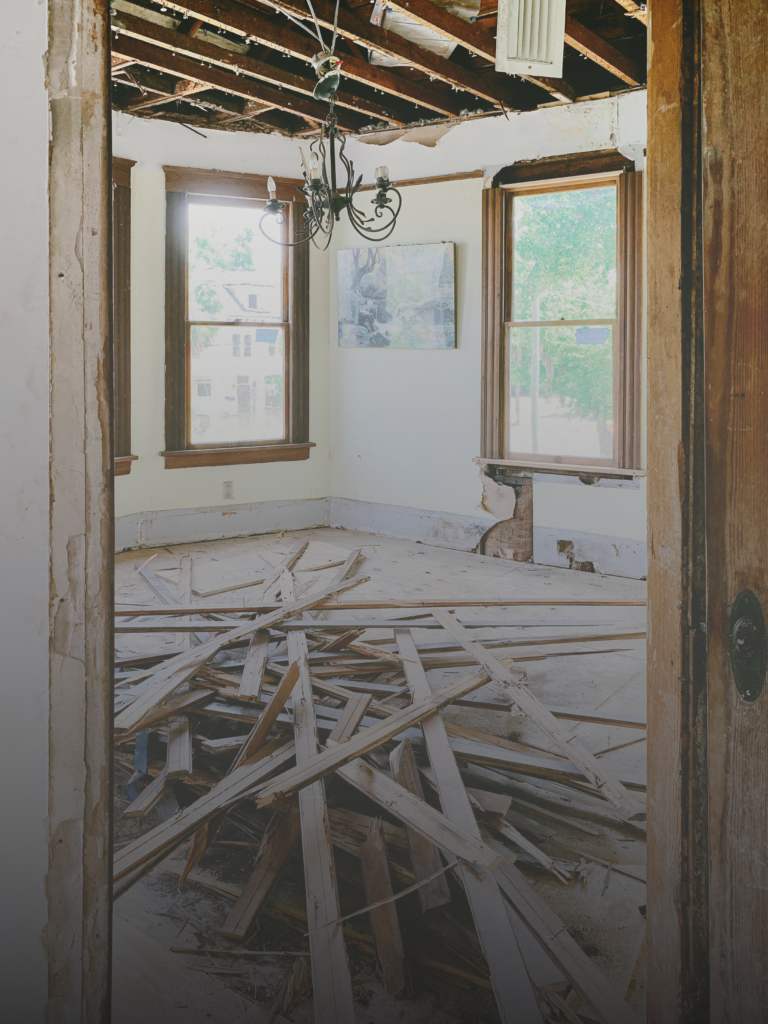
In real estate investing, renovation gets the attention.
New floors, modern kitchens, and fresh paint, these are the changes people see.
They’re also what most investors focus on first.
But before any of those improvements can create value, something more important has to happen first: stabilization.
Without stabilization, renovation doesn’t build value- it builds risk.
Understanding the difference between stabilization and renovation isn’t just a technical detail. It’s one of the most important distinctions an investor can make, and it often determines whether a deal becomes profitable or problematic.
What is Stabilization?
Stabilization is the process of making a property safe, secure, and functionally sound.
It focuses on protecting the asset, not improving how it looks.
At its core, stabilization addresses the systems and conditions that can cause damage, delays, or unexpected costs if ignored.
Common stabilization priorities include:
- Structural integrity (foundation, framing)
- Roof condition and weather protection
- Water intrusion and moisture control
- Electrical and plumbing systems
- HVAC functionality
- Securing the property (doors, windows, access points)
Stabilization is not about making a property attractive.
It’s about making sure it performs. If a property cannot withstand time, weather, and use, then any improvements made on top of it are sitting on an unstable foundation.
What is Renovation?
Renovation is the process of improving the appearance, layout, or functionality of a property to increase its market appeal.
This is where most investors focus their attention and where most of the visible transformation happens.
Typical renovation upgrades include:
- New flooring
- Interior and exterior paint
- Kitchen and bathroom remodels
- Fixtures, finishes, and lighting
- Cosmetic layout improvements
Renovation is about perception.
It’s about how a property looks, feels, and competes in the market.
But while renovation can increase perceived value, it doesn’t fix underlying problems.
That’s the key difference.
The Core Difference: Stabilization vs Renovation
The difference between stabilization and renovation is simple but critical.
| Stabilization | Renovation |
| Protects value | Enhance value |
| Reduces risk | Increases appeal |
| Focus on systems | Focus on finishes |
| Comes first | Comes after |
Stabilization ensures the property works.
Renovation improves how the property is experienced.
When investors confuse these two, they often prioritize what’s visible over what’s essential, and that’s where problems begin.
What Happens When Investors Skip Stabilization
One of the most common mistakes in real estate investing is jumping straight into renovation without stabilizing the property first.
At first, everything may look fine.
But over time, the issues underneath start to surface, and they often cost more to fix after renovations are complete.
Common consequences include:
- Water damage destroying newly installed finishes
- HVAC failures affecting livability and resale value
- Electrical issues creating safety hazards
- Structural problems worsening over time
- Extended timelines increasing holding costs
Cosmetic improvements applied to unstable systems create fragile assets.
Instead of building value, investors end up repairing the same property twice once for aesthetics, and again for the underlying issues they over for aesthetics, and again for the underlying issues they overlooked.
The Correct Order of Operations
Successful investors don’t just focus on what to improve; they focus on when to improve it.
A disciplined process reduces risk and protects profitability.
A simple framework:
- Evaluate- Understand the full condition of the property.
- Stabilize- Address structural, mechanical, and environmental risks.
- Control Costs- Manage holding expenses and timelines
- Renovate- Improve aesthetics and market appeal.
- Exit Strategically- Sell, rent, or refinance based on your plan.
This sequence ensures that every dollar spent on renovation is built on a stable foundation.
Real World Example
Consider two investors purchasing similar distressed properties.
Investor A:
- Starts with cosmetic renovations
- Delays addressing roof and plumbing issues
- Encounter water damage mid-project
- Faces increased costs and delays
Investor B:
- Prioritizes stabilization first
- Fixes structural and system issues early
- Renovates after risks are controlled
- Completes the project on time and within budget
The difference isn’t the property.
It’s the process.
Key Takeaways
- Stabilization comes before renovation
- Renovation without stabilization increases risk
- Systems matter more than surfaces
- Value is created through sequence, not speed
Conclusion
In real estate investing, it’s easy to focus on what’s visible.
But real value isn’t created by what you improve first; it’s created by what you secure first.
Stabilization protects the asset.
Renovation enhances it.
Understanding the difference between the two and applying them in the right order is what separates disciplined investors from costly mistakes.