
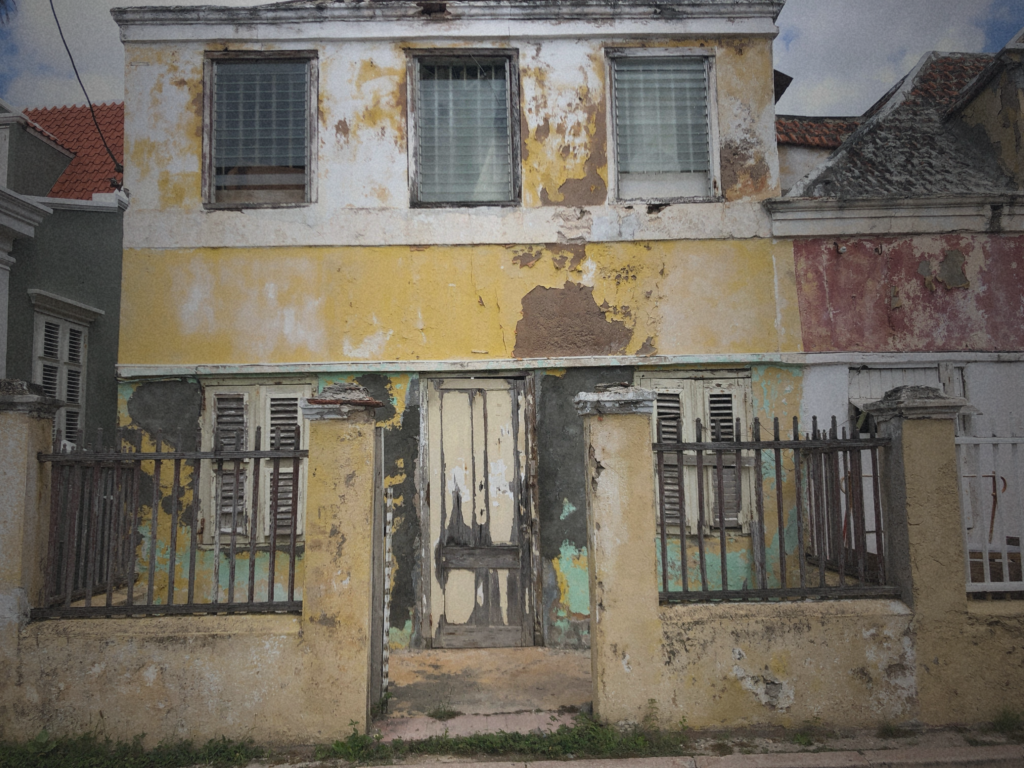
One of the biggest misconceptions in real estate investing is that a low purchase price automatically creates a good deal.
It doesn’t.
In fact, some of the cheapest properties on the market ultimately become the most expensive investments.
Why?
Because the purchase price is only one part of the equation.
A property that appears inexpensive upfront may carry hidden costs, deferred maintenance, operational challenges, and financial risks that dramatically increase the true cost of ownership.
Many investors become focused on what they are paying to acquire the property while overlooking what it will cost to stabilize, renovate, maintain, and hold it.
As a result, the cheapest property often becomes the most expensive deal.
The Purchase Price Is Only the Beginning
Many new investors evaluate properties primarily through the lens of acquisition cost.
A property listed for significantly less than comparable properties may appear to offer an immediate opportunity.
But real estate investments involve far more than the purchase price.
The true cost of a deal often includes:
- Inspections
- Permits
- Insurance
- Financing
- Utilities
- Maintenance
- Renovations
- Holding costs
- And unexpected repairs
A property purchased for $50,000 may ultimately require far more capital than a property purchased for $100,000 if the underlying condition is significantly worse.
The cheapest property is not always the cheapest investment.
Deferred Maintenance Can Create Massive Expenses
Cheap properties often become inexpensive for a reason.
In many cases, years of deferred maintenance have already reduced the property’s value.
What appears to be cosmetic damage may actually indicate:
- Roof deterioration,
- Water intrusion,
- Structural issues,
- Mold,
- Plumbing failures
- Electrical problems
- or foundation concerns.
Small problems rarely remain small.
A neglected roof leak may eventually require:
- Drywall replacement
- Insulation replacement,
- Mold remediation,
- Framing repairs
- and additional structural work.
When maintenance has been ignored for years, renovation costs can escalate quickly.
Hidden Problems Are Often Discovered After Closing
One of the most dangerous assumptions investors make is believing they fully understand a property’s condition before purchase.
Distressed properties frequently contain hidden issues that are not immediately visible during walkthroughs.
Problems may be concealed behind:
- walls
- flooring
- ceilings
- crawlspaces
- or utility systems
Unexpected discoveries often include:
- termite damage
- water damage
- deteriorated plumbing
- outdated electrical systems
- or structural deficiencies
These surprises increase renovation costs, delay timelines, and reduce profitability.
The lower the purchase price, the more important thorough due diligence becomes.
Holding Costs Continue Whether Progress Happens or Not
Many investors underestimate the financial impact of time.
Every additional month a property remains under renovation may increase:
- taxes
- insurance
- loan payments
- utilities
- lawn maintenance
- security costs
- and contractor expenses
At the same time, the property may still be producing no income.
This creates a dangerous financial reality.
As projects become delayed, holding costs continue accumulating while profits continue shrinking.
A cheap property that requires extensive work often remains vacant longer, creating additional financial pressure.
Vacant Properties Deteriorate Faster Than Expected
Many inexpensive properties sit vacant for extended periods before being sold.
Vacancy creates additional risk.
Without regular oversight:
- leaks worsen
- pests spread
- vandalism increases
- moisture accumulates
- and deterioration accelerates
Vacant properties may also attract:
- trespassing
- theft
- illegal dumping
- or squatting
What initially appears to be a bargain can quickly become more expensive as additional damage occurs before renovations are completed.
Cheap Properties Often Require More Stabilization
Investors frequently focus on renovation while understanding stabilization.
Before cosmetic improvements can begin, many distressed properties require:
- securing entry points
- debris removal
- moisture control
- roof repairs
- drainage improvements
- safety corrections
- and property preservation measures
These costs are often overlooked during initial deal analysis.
Yet stabilization is frequently one of the most important investments an owner can make because it prevents additional deterioration.
A cheap property that requires significant stabilization can become far more expensive than anticipated.
Financing and Insurance Can Increase Costs
Distressed properties often create challenges that many investors fail to anticipate.
Some properties:
- may not qualify for conventional financing
- require specialized insurance
- carry higher premiums
- or require immediate repairs to maintain coverage
Vacant property insurance alone can significantly increase operating costs.
When financing becomes more expensive and insurance premiums increase, overall project costs rise even further.
Cheap Properties Create False Confidence
A low purchase price often creates a psychological trap.
Investors begin thinking:
“Even if repairs cost more than expected, I still got a great deal.”
Unfortunately, this assumption is not always true.
As expenses accumulate through:
- repairs
- delays
- holding costs
- and unforeseen issues
The financial advantage of the low purchase price may disappear entirely.
A property can be purchased at a discount and still become a bad investment.
Successful investors understand that value is not determined by price alone.
The Best Investors Evaluate Total Project Cost
Experienced investors rarely focus solely on what a property costs to buy.
Instead, they focus on:
- total project cost
- stabilization needs
- repair risk
- holding costs
- timeline risk
- and exit strategy
They understand that profitability depends on the entire investment process, not just the acquisition.
Because a property purchased cheaply but managed poorly often performs worse than a more expensive property with lower risk and fewer unknowns.
Cheap Does Not Always Mean Value
One of the most important lessons in distressed real estate investing is this:
Cheap and valuable are not the same thing.
A low price may simply reflect:
- significant deterioration
- extensive deferred maintenance
- operational challenges
- or elevated risk
True value comes from understanding:
- condition
- risk
- stabilization
- and long-term financial performance
The best deals are not always the cheapest properties.
They are often the properties with the best balance between opportunity and risk.
Conclusion
Many investors believe the cheapest property represents the best opportunity.
But in distressed real estate investing, low purchase prices can be misleading.
Deferred maintenance, hidden repairs, holding costs, vacancy, financing challenges, and stabilization requirements can quickly transform a bargain into an expensive project.
The investors who consistently succeed are usually not the ones chasing the lowest prices.
They are the ones who carefully evaluate:
- total project cost
- operational risk
- timeline exposure
- and long-term value creation
Because in real estate investing, the cheapest property often becomes the most expensive deal.