
Most people think real estate investing is about finding deals, renovating properties, and collecting profits.
But experienced investors know something many beginners overlook:
“Real estate isn’t just an investment-it’s an operation business.”
The property itself may be physical, but the success of the investment depends on how effectively you manage dozens of moving parts behind the scenes.
And surprisingly, many profitable deals are lost because of operational failures- not because the purchase price was wrong.
Real Estate Investing Is More Than Buying Property
Social media often makes investing look simple:
- Find a deal.
- Renovate the property.
- Sell or rent it.
- Repeat.
But what happens between acquisition and profit is where the real work begins.
Suddenly, you’re managing:
- Contractors
- Insurance
- Utility transfers
- Lawn maintenance
- Security and preservation
- Permit timelines
- Material deliveries
- Property taxes
- Budgets
- Vendors
- Unexpected repairs
- Holding costs
- Documentation
- Inspections
These aren’t glamorous tasks, but they determine whether a project succeeds or becomes expensive.
Time Is an Operational Cost
Many investors underestimate how expensive delays can become.
Every extra month means:
- Loan payments continue
- Utilities remain active
- Taxes accumulate
- Insurance premiums continue
- Lawn maintenance must be performed
- Vacant properties become vulnerable to vandalism and weather damage.
Projects rarely fail because of one major disaster.
More often, they slowly lose profitability because small delays compound over time.
Contractors Need Management
Hiring contractors doesn’t eliminate responsibility.
It creates another layer of operations.
Schedule change.
Materials are delayed.
Inspections get pushed back.
One trade depends on another finishing first.
Without proper coordination, a four-month project can easily become an eight-month project.
And every additional month costs money.
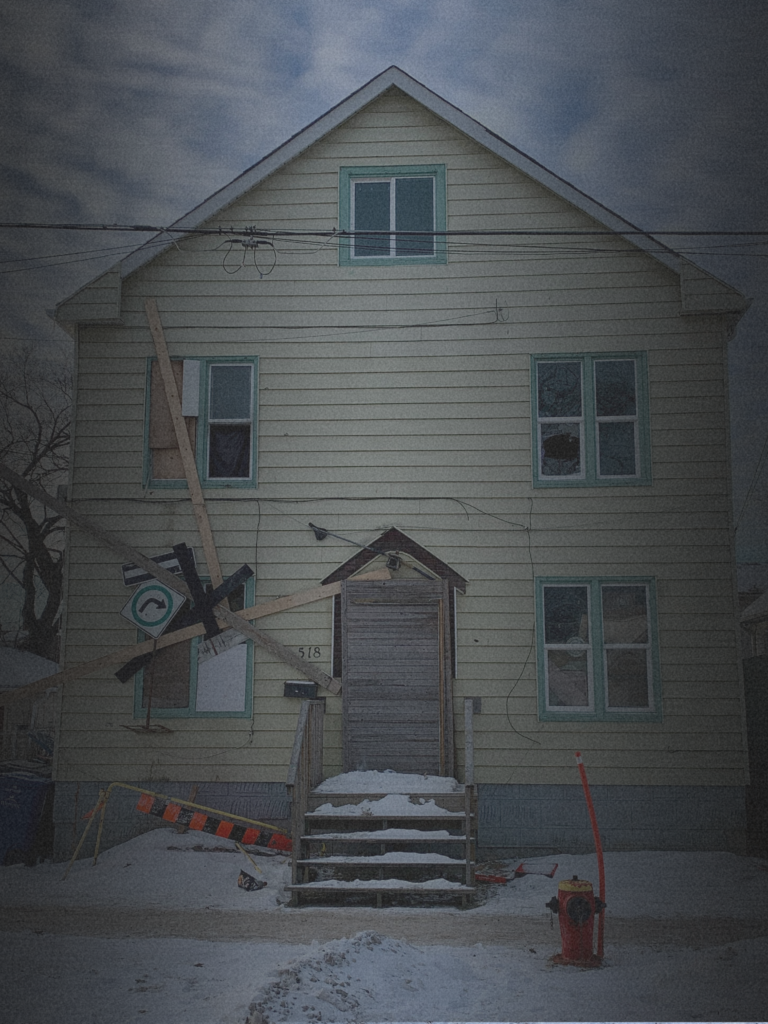
Vacant Properties Require Active Preservation
Many investors assume that once they own a property, they can simply wait until renovations begin.
Unfortunately, vacant properties don’t pause.
Water leaks worsen.
Vandalism occurs.
Landscaping becomes overgrown.
Small maintenance issues become major repairs.
Property preservation isn’t an expense.
It’s risk management.
Protecting value is often more important than creating value.
Systems Matter More Than Motivation
Successful investors don’t rely on memory.
They rely on systems.
They create:
- Budgets
- Checklists
- Vendor relationships
- Inspection schedules
- Document management processes
- Maintenance plans
- Exit strategies
Systems create consistency.
Consistency profits profit.
The Best Investors Think Like Operators
The investors who survive market cycles don’t simply know how to buy properties.
They know how to manage processes.
Because buying the property is only the beginning.
Profit comes from execution.
Real estate rewards operators more than opportunists.
And the hidden operational side of investing, the part nobody talks about, is often the difference between a successful investment and an expensive lesson.
Conclusion
Everyone wants to talk about finding deals.
Few people talk about managing them.
But value isn’t created when you close.
Value is created through the thousands of small decisions that happen afterward.
That’s why the best investors don’t just think like buyers.
They think like operators.
And that’s where real value is built.