
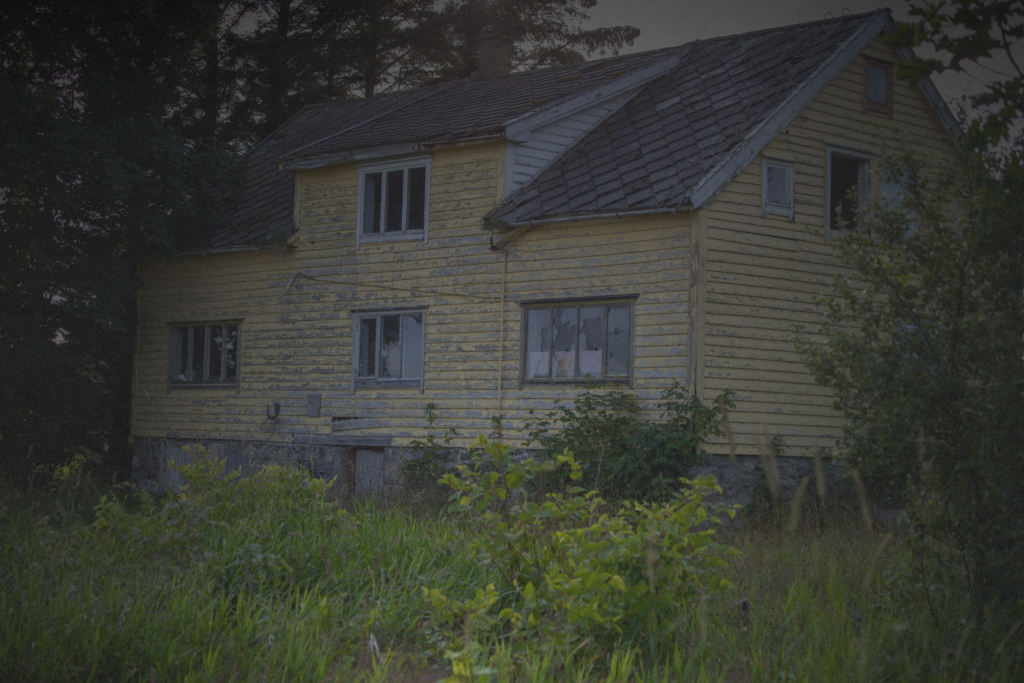
One of the most expensive myths in real estate is believing that a vacant property is safe simply because nothing appears to be happening.
No broken windows.
No vandalism.
No obvious damage.
From the outside, everything may look exactly the same as it did weeks-or even months-earlier.
But beneath the surface, the property is quietly changing.
Moisture continues to work its way into small openings. Temperature fluctuations cause materials to expand and contract. Dust, humidity, pests, and deferred maintenance slowly reduce the condition of the home. Insurance, taxes, utilities, and financing continue to accumulate while the property’s condition gradually declines.
Vacant properties rarely lose value overnight.
More often, they lose value one unnoticed day at a time.
The Cost of Standing Still
Real estate is not a static asset.
Every day a property sits vacant without proper oversight, small risks have another opportunity to become larger problems.
A loose piece of flashing may allow water into the attic.
A clogged gutter may overflow during the next rainstorm.
A minor plumbing leak may remain unnoticed for weeks.
Each issue begins small, but time magnifies its cost.
The longer a problem remains unresolved, the more expensive it becomes to correct.
Deterioration Doesn’t Need and Event
Many investors wait for something obvious to happen before taking action.
The problem is that deterioration rarely announces itself.
Wood slowly absorbs moisture.
Sealants dry and crack.
Paint begins to fail.
Humidity encourages mold growth.
Pests discover entry points.
None of these problems creates dramatic headlines.
Yet together they steadily reduce the property’s condition, and ultimately its value.
Holding Cost Continue Regardless
Even if the structure appears unchanged, ownership expenses never stop.
While a property sits vacant, investors continue paying for:
- Property taxes
- Insurance
- Loan payments
- Utilities
- Lawn maintenance
- Security
- General upkeep
These expense continue whether renovations have started or not.
Every unnecessary month of vacancy reduces profitability.
Opportunity Cost Is Real
There is another type of loss many investors overlook.
While one property sits idle, that capital cannot be invested elsewhere.
Projects remain unfinished.
Rental income is delayed.
Resale opportunities are postponed.
The longer a property remains inactive, the greater the opportunity cost becomes.
Sometimes the greatest expense isn’t deterioration.
It’s delay.
Preservation Slows the Clock
Property preservation isn’t about making a house beautiful.
It about preventing time from working against your investment.
Regular inspections.
Securing the structure.
Controlling moisture.
Protecting the roof.
Maintaining gutters
Monitoring utilities.
Addressing small repairs immediately.
These actions don’t eliminate every risk, but they dramatically reduce the speed at which value is lost.
Practical Checklist
When managing a vacant property:
- Inspect the property regularly
- Address minor repairs
- Keet gutter and drainage system clear
- Monitor the roof after storms
- Control moisture and humidity
- Secure doors, windows and entry points
- Maintain landscaping
- Review insurance coverage periodically
- Document the property’s condition with photos
- Never assume “no new” means “no problems”
Framework in Action
Investor A
Purchases a vacant home and delays inspections because everything appears to be in good condition from the street.
Six months later, a small leak has damaged insulation, drywall and sections of the ceiling. Repair costs are several times greater than they would have been had the issue been discovered earlier.
Investor B
Schedules regular inspections, documents the property’s condition, cleans gutters and addresses minor maintenance as issues arise.
After six months, the home remains dry, structurally sound, and ready for renovation. The project stays on budget and on schedule because small problems never become major setbacks.
The difference wasn’t luck.
It was consistent oversight.
Final Thoughts
Vacant properties don’t need dramatic events to lost value.
Time is often enough.
Every day that passes without inspection, maintenance, or preservation creates another opportunity for deterioration to occur unnoticed.
The investors who consistently protect their properties understand that preservation isn’t simply maintenance, it’s risk management.
Protecting a property’s condition today protects its value tomorrow.
Framework Principle
Property value isn’t only lost through disasters. It’s lost through neglect, delay, and the quiet effects of time. Successful investors understand that protecting a vacant property means managing what can’t always be seen.
Continue Learning
If you found this article helpful, continue building your knowledge with these related posts:
- What Property Preservation Really Means And Why It Matters
- How Deferred Maintenance Quietly Destroys Property Value
- How Time and Holding Costs Quietly Kill Real Estate Deals
- Why Vacant Properties Become Financial Liabilities Faster Than Expected
- Property Preservation 101: How to Protect Vacant Properties Before They Lose Value
- The First 30 Days After Buying a Vacant Property Matter More Than Most Investors Realize
- From Vacant to Valuable: How Real Estate Value Is Actually Created