
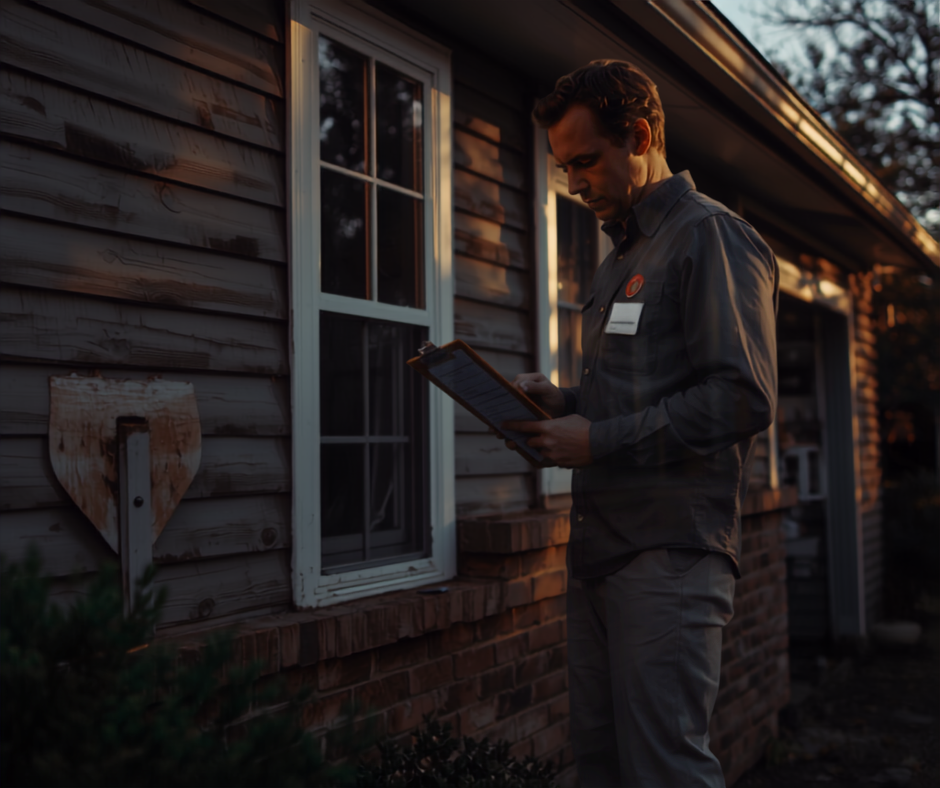
The most profitable money you’ll spend may never be seen.
When investors think about increasing a property’s value, they often picture renovated kitchens, updated bathrooms, fresh paint, or beautiful landscaping.
Those improvements certainly matter, but they don’t create lasting value if the property isn’t first protected.
A vacant property is constantly exposed to risk. Weather, moisture, vandalism, deferred maintenance, and simple neglect can quietly erase equity long before a renovation ever begins.
That’s why experienced investors understand something many beginners overlook:
Money spent protecting a property isn’t an expense. It’s an investment in preserving future value.
Every dollar spent preventing damage today can save thousands in repairs tomorrow.
The Difference Between Spending and Investing
Many investors view preservation costs as money that doesn’t produce an immediate return.
They ask questions like:
- Do I really need to repair the roof now?
- Can the gutters wait?
- Is boarding a broken window really necessary?
- Does documenting the property actually matter?
The problem with this thinking is that it measures today’s cost without considering tomorrow’s consequences.
An expense disappears.
An investment produces future value.
Property preservation does exactly that.
Small Problems Rarely Stay Small
One loose shingle.
One clogged gutter.
One cracked window.
One missing piece of flashing.
Individually, none of these issues seem catastrophic.
But vacant properties don’t heal themselves.
Rain continues to fall.
Moisture continues to spread.
Wood continues to rot.
Mold continues to grow.
Every day a property remains unprotected, and the cost of repair usually increases.
Protecting the property early interrupts that cycle before minor issues become major financial liabilities.
Preservation Protects More Than the Structure
Many people think property preservation is simply about maintaining a building.
In reality, it protects far more.
Property preservation protects:
- Your renovation budget.
- Your project timeline.
- Your financing assumptions.
- Your resale value.
- Your reputation as an investor.
- Your peace of mind.
Every unexpected repair changes the economics of a project.
The fewer surprises you encounter, the more predictable, and profitable, your investment becomes.
The Hidden Return on Investment
Unlike cosmetic renovations, preservation investments often go unnoticed.
No buyer walks into a property and says,
“I’m glad those gutters were cleaned six months ago.”
But they certainly notice:
- Water damage
- Structural deterioration
- Mold
- Roof leaks
- Foundation movement
- Rotting fascia
- Damaged flooring
Preservation rarely earns applause.
It simply prevents expensive problems from ever existing.
Sometimes the greatest return on investment is the repair you never have to make.
Framework in Action
Imagine two investors purchase similar vacant homes.
Investor A decides to postpone replacing damaged roof flashing to save money.
After several months of heavy rain, water enters the attic, damages insulation, stains ceilings and require sections of drywall to be replaced before renovations can continue.
Investor B spends a few hundred dollars repairing the flashing immediately after purchase.
Months later, the structure remains dry, the renovation stays on schedule, and the budget remains intact.
The difference wasn’t luck.
It was the decision to treat protection as an investment instead of an expense.
Common Mistake
One of the biggest mistakes new investors make is prioritizing visible improvements before invisible protection.
Fresh paint can wait.
Luxury flooring can wait.
Decorative fixtures can wait.
The integrity of the property cannot.
Every successful renovation begins with stabilization.
Only after the property is protected should cosmetic improvements begin.
Framework Lesson
Protect first.
Stabilize second.
Renovate with confidence.
Value isn’t created by rushing into renovations.
It’s created by protecting the asset that makes those renovations worthwhile.
When preservation becomes part of your investment strategy, every decision becomes more intentional, every budget becomes more predictable, and every project has a stronger foundation from long-term success.
Investor Takeaway
The most successful investors understand that real estate value isn’t created on demo day.
It’s created through disciplined decision made long before the first wall is painted.
Every dollar spent preventing deterioration protects your budget, preserves your timeline, and safeguards the equity you’re working to build.
Because at the end of the day, protecting a property isn’t just maintaining a building.
It’s protecting the future value of your investment.
Conclusion
At From Vacant To Valuable, we believe that value creation begins with preservation, not because it’s the most exciting part of real estate investing, because it’s the most reliable. The investors who consistently build lasting wealth aren’t always the ones who renovate the fastest; they’re the ones who protect what they’ve purchased before they improve it. That’s how distressed properties become strategic opportunities.
Continue Learning
If you found this article helpful, continue building your knowledge with these related posts:
- Property Preservation 101: How to Protect Vacant Properties Before They Lose Value
- What Property Preservation Really Means and Why It Matters
- How Weather, Vandalism and Time Can Destroy Vacant Properties
- The First 30 Days After Buying a Vacant Property Matter More Than Most Investors Realize
- The Hidden Cost of Ignoring Exterior Maintenance