
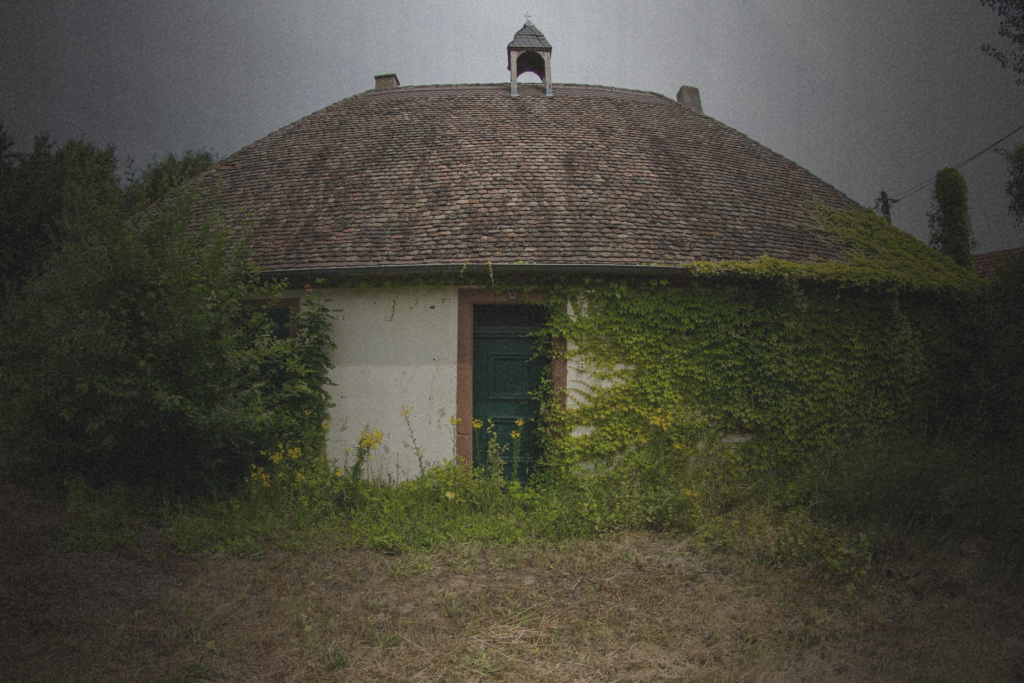
Most investors worry about buying properties at the right price.
Few worry enough about what happens after they own them.
But in real estate, value isn’t usually destroyed overnight.
It disappears slowly.
A leaking roof becomes damaged drywall. A broken gutter becomes foundation issues. A small plumbing leak turns into mold remediation. A property that once needed a few hundred dollars in repairs suddenly requires thousands.
This is the hidden cost of deferred maintenance.
And it quietly destroys property value every day.
What is Deferred Maintenance?
Deferred Maintenance occurs, when necessary, repairs and upkeep are delayed instead of addressed promptly.
Sometimes investors postpone repairs to preserve cash flow.
Sometimes owners underestimate the seriousness of a problem.
Other times, small issues simply go unnoticed.
Regardless of the reason, delaying maintenance almost always makes problems more expensive.
Time rarely fixes properties.
It compounds problems.
Small Problems Become Big Problems
Most catastrophic repairs begin as minor issues.
Consider a few examples:
Roof Leaks
A few missing shingles may seem insignificant.
But over time, water intrusion damages insulation, drywall, flooring, framing, and electrical systems.
What might have been a $500 repair can quickly become a $10,000 project.
Plumbing Leaks
A dripping pipe hidden behind a wall may go unnoticed for months.
Eventually moisture creates mold, wood rot, and structural damage.
Repair costs multiply while property value declines.
Gutters and Drainage
Clogged gutters often appear harmless.
Yet improper drainage can lead to foundation movement, erosion, basement flooding, and expensive structural repairs.
HVAC Neglect
Skipping routine maintenance shortens equipment life and increases utility costs.
Replacing a complete HVAC system is far more expensive than maintaining one.
The lesson is simple:
Minor issues rarely remain minor.
Deferred Maintenance Reduces Property Value
Properties are valued not only by their location and size but also by their condition.
Visible signs of neglect create concerns for buyers, lenders, insurers, and tenants.
Deferred maintenance can result in:
- Low appraisals
- Increased repair costs
- Longer days on market
- Reduced buyer demand
- Higher insurance premiums
- Lower rental income
- Increased vacancy
- More negotiation request
The market discounts are uncertain.
And neglected properties create uncertainty.
Deferred Maintenance Creates Hidden Holding Costs
Many investors only calculate repair costs.
But delayed maintenance also create operational costs.
These include:
- Insurance premiums.
- Property taxes
- Utilities
- Lawn maintenance
- Security expenses
- Interest payments
- Opportunity costs
Every additional month spent dealing with preventable issues reduces profitability.
Time itself becomes expensive.
Deferred Maintenance Affect More Than Numbers
Neglected properties attract additional problems.
Vacant properties become targets for:
- Vandalism
- Theft
- Squatters
- Pest infestations
- Weather damage
What begins as deferred maintenance often becomes deferred value creation.
Instead of improving the property, investors spend time restoring what should have been protected.
Property Preservation Is Preventive Value Creation
Successful investors understand that preserving value is often more profitable than restoring lost value.
Routine inspections, timely repairs, and preventive maintenance protect both the property and the investment.
Property preservation isn’t merely about maintenance.
It’s about protecting profitability.
Because value is easier to preserve than it is to recreate.
Conclusion
Properties rarely fail because of one catastrophic event.
They deteriorate through dozens of small problems that nobody has addressed.
Deferred maintenance quietly compounds over time.
And while the damage may be gradual, the financial consequences can be severe.
In real estate, neglect has a cost.
The longer problems are ignored, the more expensive they become.
Because property value isn’t only created through renovations.
Sometimes it’s preserved through maintenance.
And preserving value is often the smartest investment of all.