
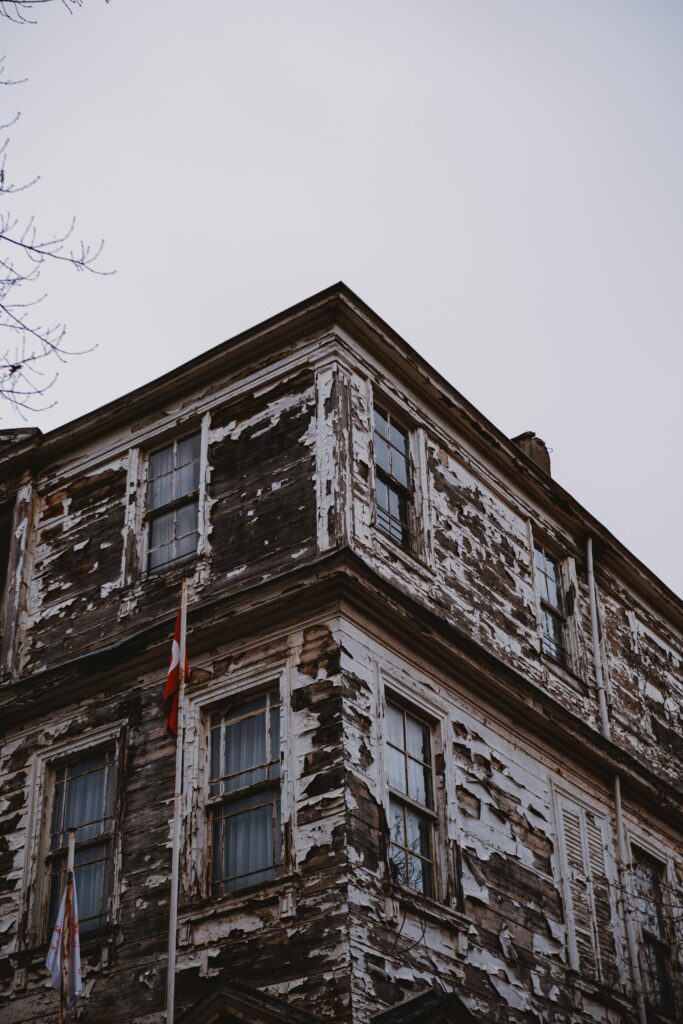
Vacant properties rarely stay in the same condition for long.
What begins as a property with “a few cosmetic issues” can quickly turn into severe structural deterioration, major repair costs and lost property value. Many owners underestimate how fast vacant homes decline once regular maintenance, occupancy and oversight disappear.
The reality is simple:
Weather, vandalism and time quietly destroy vacant properties every single day.
A small roof leak becomes water damage. Broken windows become security risks. Overgrown landscaping attracts pests and code violations. Deferred maintenance compounds until the property becomes significantly more expensive to stabilize.
For investors, property owners and preservation professionals, understanding these risks is critical. Protecting a vacant property early is almost always cheaper than restoring one after months or years of neglect.
In this post, we’ll break down how weather, vandalism and time damage vacant properties and why property preservation plays such an important role in protecting long-term value.
Weather Damage: The Silent Destroyer
Weather is one of the biggest threats to vacant properties because damage often happens slowly and unnoticed.
Occupied homes usually have someone who notices:
- Leaks
- Moisture
- Drafts
- Plumbing Issues
- Roof problems
Vacant properties do not.
That means small weather-related problems often go undetected until the damage becomes severe.
Roof Damage and Water Intrusion
A damaged roof is one of the fastest ways a vacant property loses value.
Missing shingles cracked flashing or small openings allow water to enter the structure. Over time moisture can damage:
- Ceilings
- Drywall
- Flooring
- Insulation
- Framing
- Electrical system
Even minor leaks can eventually lead to:
- Mold growth
- Wood rot
- Structural weakening
Water intrusion is especially dangerous because it compounds over time.
The longer the property sits vacant, the more expensive the repairs usually become.
Moisture and Mold Growth
Vacant properties often lack:
- Climate control
- Airflow
- Humidity management
This creates the perfect environment for moisture buildup and mold growth.
Once mold spreads, remediation costs can increase dramatically. In severe case, entire sections of drywall, flooring or framing may need to be removed and replaced.
Mold also reduces:
- Buyer confidence
- Rental readiness
- Insurability
- Property value
Seasonal Weather Damage
Different seasons create different risks for vacant properties.
Winter Risks
- Frozen pipes
- Burst plumbing
- Ice damage
- Heating system failure
Spring and Summer Risks
- Heavy rain intrusion
- Humidity
- Rapid vegetation growth
- Pest activity
Storm Risks
- Fallen branches
- Roof damage
- Broken windows
- Flooding
- Without regular inspections, these issues can remain unnoticed for weeks or months.
Vandalism and Security Risks
Vacant properties often become targets.
Once a property appears abandoned or neglected, it can attract:
- Trespassers
- Vandals
- Illegal dumping
- Theft
- Squatting
Unfortunately, vandalism can accelerate deterioration very quickly.
Broken Windows and Forced Entry
Broken windows and unsecured doors create immediate problems.
Once the property is exposed:
- Weather enters the structure
- Pest gain access
- Additional vandalism becomes more likely
An unsecured property signals:
Nobody is watching
That perception alone increases risk.
Theft of Material and Systems
Vacant properties are often stripped for valuable materials such as:
- Copper piping
- Wiring
- HVAC systems
- Appliances
- Fixtures
The theft itself creates expensive repairs, but it can also create secondary damage.
For example:
- Removed plumbing can cause flooding
- Exposed wiring creates safety hazards
- Damaged HVAC systems reduce property functionality
Graffiti, Dumping, and Property Neglect
Even smaller forms of vandalism may accumulate:
- Trash
- Graffiti
- Broken fencing
- Overgrown landscaping
This not only affects the property itself but can also impact:
- Neighborhood perception
- Marketability
- Code compliance
In some areas, owners may even face fines for failing to maintain the property.
The Damage Caused by Time
Time may be the most underestimated factor in property deterioration.
A property does not need catastrophic damage to lost value.
Often, value declines because small issues are ignored for too long.
Deferred Maintenance Compounds
Vacant properties deteriorate through accumulation.
One small issue leads to another:
- A leak causes moisture
- Moisture creates mold
- Mold damages drywall
- Damaged drywall exposes framing
- Framing weakens over time
This compounding effect is why deferred maintenance becomes so expensive.
The longer problems remain unresolved, the more extensive repairs usually become.
Curb Appeal Declines Quickly
Over time, neglected properties begin to look abandoned.
Common signs include:
- Overgrown grass
- Peeling paint
- Boarded windows
- Damaged siding
- Debris Accumulation
First impressions matter in real estate.
Poor curb appeal can:
- Reduce buyer interest
- Lower perceived value
- Increase time on the market
- Hurt neighborhood appeal
System Deteriorate Without Use
Vacant properties age differently than occupied homes
When systems sit unused for extending periods:
- Plumbing dries out
- HVAC systems deteriorate
- Pest move in
- Moisture accumulates
- Odor develops
Even properties without major structural issues can become costly to restore simply because they sat vacant too long.
Why Property Preservation Matters
Property preservation is not just about maintaining appearance.
It is about protecting value.
Proper preservation helps:
- Reduce deterioration
- Prevent avoidable repairs
- Improve security
- Maintain marketability
- Protect long-term investment potential
Simple preservation measures can make a major difference, including:
- Securing entry points
- Routine inspections
- Lawn maintenance
- Leak prevention
- Debris removal
- Winterization
- Moisture control
The goal is stabilization before deterioration accelerates.
Conclusion
Vacant properties rarely deteriorate because of one major event.
Most decline happens slowly through:
- Weather exposure
- Vandalism
- Neglect
- Deferred maintenance
- Time
The longer a property sits without proper oversight, the faster problems compound and repair costs increase.
For investors and property owners, protecting a vacant property early is often the difference between:
- Preserving value
Or
- Losing thousands in avoidable repairs
In real estate value is not only created through renovation.
Sometimes value is protected through preservation long before renovations ever begin.