
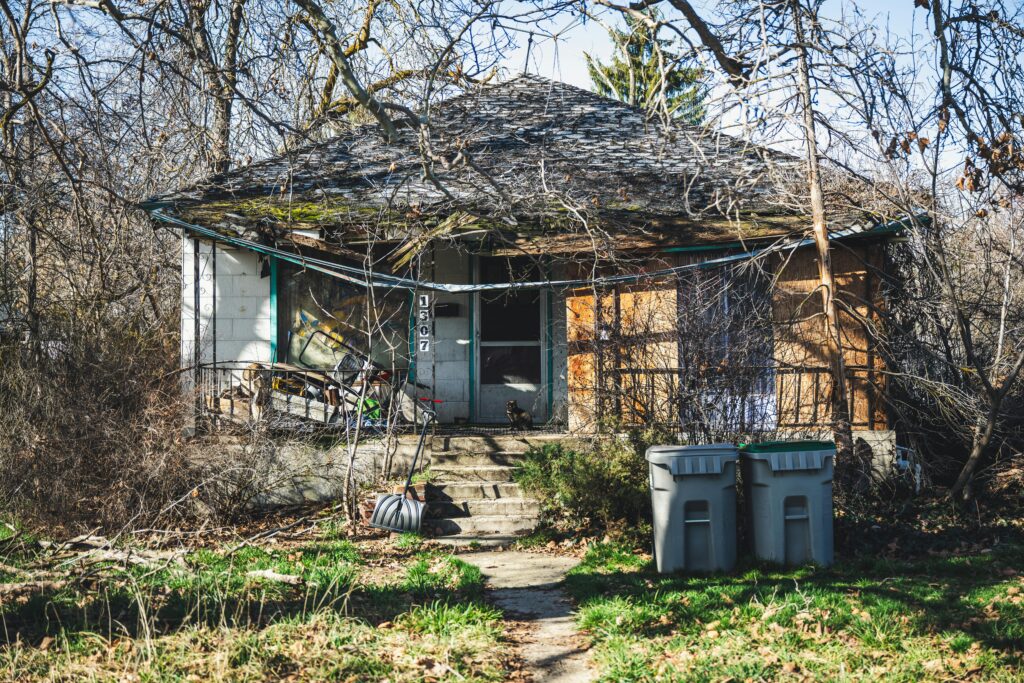
Once a property becomes vacant, the clock starts working against you.
Not dramatically, but consistently.
Small issues go unnoticed.
Moisture builds.
Systems degrade.
And what could have been controlled early becomes expensive later.
Property preservation isn’t complicated, but it is disciplined.
This guide is designed to give you a clear, practical system to protect a vacant property from decline, so you can maintain control before renovation ever begins.
If you’re looking for a deeper explanation of why preservation matters, start with What Property Preservation Really Means and Why it Matters.
The Property Preservation Checklist
This is not theory.
This is what should actually happen once a property becomes vacant.
1. Secure that Property Immediately
Start here, every time.
Action steps:
- Change or install locks on all doors
- Secure or board broken windows
- Install motion lighting is possible
- Lock gates, garages, and secondary access points
Why it matters:
Unsecured properties attract problems quickly, vandalism, theft, and unauthorized access.
2. Eliminate Immediate Water Risks
Water damage is one of the fastest ways to lose control of a property.
Action steps:
- Inspect roof for visible damage
- Check for active plumbing leaks
- Clean gutters and ensure drainage
- Shut off water supply if appropriate
- Winterize plumbing in colder climates
What to watch for:
- Stains on ceilings or walls
- Musty odors
- Soft or warped materials
3. Control Airflow and Moisture
A completely sealed house can trap moisture
Action steps:
- Allow controlled air flow where appropriate
- Use vents or dehumidifiers if needed
- Monitor humidity levels in basements or crawl spaces
Goal:
Prevent mold, mildew, and long-term air quality issues.
4. Remove Debris and Clean the Property
Clean properties are easier to monitor, and less likely to attract issues.
Action steps:
- Remove trash and leftover materials
- Clear out abandoned furniture
- Eliminate organic debris (food, paper, etc.)
Why it matters:
Debris attracts pests and hides problems.
5. Establish a Regular Inspection Routine
Preservation is not one-time, it’s ongoing.
Action steps:
- Inspect weekly or bi-weekly
- Check after storms or weather events
- Walk both interior and exterior
During inspections, check:
- Signs for leaks
- New damage
- Security issues
- Pest activity
The goal is simple: catch small problems early.
6. Maintain the Exterior
The outside condition affects both risk and perception.
Action steps:
- Cut grass and remove overgrowth
- Trim tree and shrubs
- Keep pathways and entrance clear
- Monitor roof and siding condition
Why it matters:
A maintained exterior discourages vandalism and signals active ownership.
7. Protect Essential Systems
Even if you’re not renovating yet, systems need attention.
Action steps:
- Ensure electrical systems are safe
- Check HVAC condition ( or shut down properly)
- Monitor plumbing for pressure or leaks
Important:
Improper shutdown or neglect can cause more damage than use.
8. Stabilize Before Any Renovation Begins
This is where many investors get it wrong.
Do not:
- Start cosmetic upgrades first
- Install finish before addressing core issues
Instead:
- Fix structural concerns
- Eliminate water risks
- Secure the property fully
Preservation creates the conditions for successful renovation.
Common Preservation Mistakes
Avoid these early:
- Skipping preservation to “save money”
- Delaying inspections
- Ignoring minor issues
- Starting renovation to early
- Assuming the property will “hold up” on its own
Conclusion
Property preservation doesn’t create value directly.
But it protects the condition that makes value possible.
A well-preserved property:
- Maintains its structure
- Avoids unnecessary costs
- Keeps timelines under control
And most importantly:
It gives you the ability to execute your plan without fighting preventable problems.