
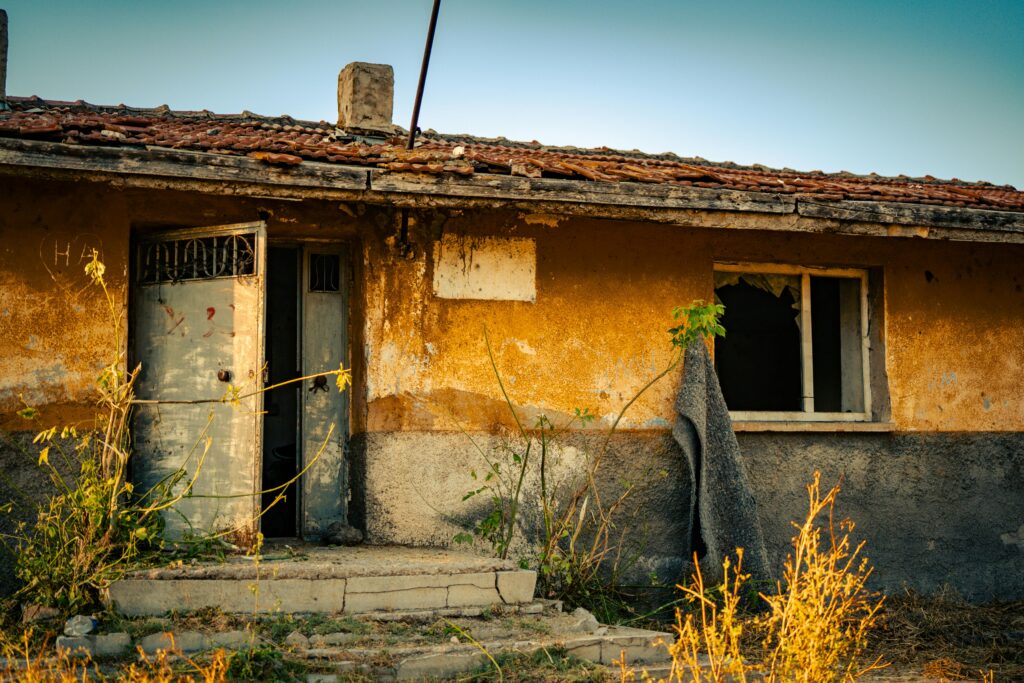
Distressed real estate investing is often marketed as an opportunity to create significant profit through renovation, repositioning, and value creation.
And while distressed properties can create strong investment potential, they also carry risks that many investors underestimate.
Most people focus on:
- Purchase price,
- Renovation potential
- or projected resale value
But the biggest problem in distressed real estate investing are often the risks investors fail to fully evaluate before the project begins.
Because distressed properties rarely become expensive due to one major issue alone.
Instead, problems compound quietly through:
- operational mistakes
- delayed timelines
- underestimated repairs
- holding costs
- and poor risk management
The most successful investors are usually not the ones chasing the biggest deals.
They are the ones who understand how to identify, reduce, and manage risk before it becomes financially destructive.
Underestimating Repair Costs
One of the most common mistakes in distressed property real estate investing is underestimating repairs.
Many distressed properties contain hidden issues that are not immediately visible during initial walkthroughs.
Cosmetic damage often distracts investors from deeper structural or operational problems such as:
- foundation movement
- moisture intrusion
- plumbing failures
- Electrical hazards
- Roof deterioration
- HVAC replacement
- Mold
- Or termite damage
What appears to be a manageable renovation can quickly become far more expensive once demolition begins.
This is especially dangerous because repair overruns create a chain reaction:
- timelines expand
- holding costs increase
- financing pressure grows
- and profit margins shrink.
Experienced investors typically build contingency planning into every project because unexpected costs are common in distressed properties.
Deferred Maintenance That Has Been Compounding for Years
Distressed properties often suffer from years of neglected maintenance.
Small unresolved issues compound over time.
A minor roof leak may eventually lead to:
- rot,
- mold
- damaged insulation
- compromised framing
- or electrical issues
Poor drainage can slowly damage:
- foundations
- crawlspaces
- flooring
- and structural integrity
Vacancy accelerates deterioration even further.
Without regular oversight, problems worsen quietly until repairs become significantly more expensive.
Many investors focus too heavily on renovation aesthetics while underestimating stabilization needs.
But stabilization is often one of the most important financial priorities in distressed real estate investing.
Holding Costs That’s Quietly Destroy Profit Margins
Holding costs are one of the most overlooked financial risks in distressed real estate.
Every additional month a property sits may increase:
- loan payments
- utilities
- insurance
- taxes
- contractor costs
- maintenance expenses
- and operational pressure
At the same time, the property may still be deteriorating.
Projects rarely become dangerous because of one large expense alone.
Instead, profitability is slowly reduced through ongoing operational costs that continue accumulating while timelines expand.
This becomes especially problematic when:
- contractors are delayed
- permits take longer than expected
- inspections fail
- or unexpected repairs are discovered
Many distressed real estate real estate deals fail because investors underestimate time just as much as they underestimate repairs.
Overestimating After Repair Value (ARV)
Another major risk is unrealistic resale expectations.
Some investors assume renovations alone will dramatically increase value regardless of:
- neighborhood conditions
- buy demand
- market shifts
- or comparable sales.
But distressed property investing still depends heavily on market realities.
Even well-renovated properties may struggle if:
- inventory increase
- interest rates rise
- buyer demand weakens
- or renovations costs exceed neighborhood value ceilings
Overestimating ARV can create dangerous financial assumptions from the beginning of the project.
This is why disciplined investors focus heavily on conservation deal analysis rather than optimistic projections.
Poor Contractor Management
Contractor issues can significantly impact distressed real estate projects.
Even strong renovation plans can become financially unstable when:
- timelines are missed
- communication breaks down
- labor quality declines
- or project oversight becomes inconsistent
Poor contractor coordination often creates:
- rework
- delays
- expanded budgets
- inspection failures
- and scheduling conflicts
Many new investors underestimate how important project management becomes during distressed renovations.
Operational discipline matters just as much as the renovation itself.
Insurance and Financing Risks
Distressed properties often create additional insurance and financing challenges.
Some vacant or distressed properties may:
- require specialized insurance
- have higher premiums
- contains coverage restrictions
- or require immediate repairs to maintain coverage.
Financing pressure can also increase quickly if projects fall behind schedule.
Short-term loans, hard money financing, or renovation-based lending structures may create strict timelines and higher carrying costs.
When unexpected delays occur, investors can face:
- refinancing pressure
- increased interest costs
- or reduced cash flow flexibility
Many investors underestimate how quickly financing risk compounds when projects become delayed.
Vacancy and Security Risks
Vacant distressed properties are often exposed to additional operational risk.
These properties may attract:
- vandalism
- theft
- trespassing
- illegal dumping
- or squatting
Unsecured properties can experience theft of:
- copper wiring
- HVAC systems
- Plumbing
- Fixtures
- Or appliances
Beyond replacement costs, theft frequently creates secondary damage that increases renovation expenses even further.
Security and property preservation are often overlooked until problems occur.
But protecting the asset early is usually far less expensive than repairing preventable damage later.
Emotional Decision-Making
One of the most overlooked risks in distressed real estate investing is emotional decision-making.
Some investors become overly attached to:
- Projected profits
- Renovation vision
- or the excitement of the deal.
This can lead to:
- ignoring warning signs
- underestimating risk
- overpaying
- or continuing projects that no longer make financial sense
Successful investors typically rely on:
- disciplined analysis
- operational planning
- conservative numbers
- and clear exit strategies
Because distressed real estate investing is ultimately a business decision not just a renovation project.
Market Risk and Changing Conditions
Projects that take longer than expected may become exposed to:
- rising interest rates
- slowing buyer demand
- labor shortage
- material cost increases
- or declining resale activity
A deal that initially appeared profitable can quickly become far less attractive when timeline expand and market conditions change simultaneously.
This is why experienced investors prioritize:
- speed
- operational efficiently
- and stabilization
Time itself creates risk in distressed real estate investing.
The Best Investors Focus on Risk First
Many inexperienced investors focus primarily on:
- potential profit
- cosmetic transformation
- or purchase discounts
Experienced investors focus heavily on:
- downside protection
- stabilization
- timelines
- operational discipline
- and risk management
Because protecting capital is often more important than maximizing upside.
Distressed properties can absolutely create opportunity.
But successful investing usually comes from managing risk better than competitors not simply buying cheaper properties
Conclusion
Distressed real estate investing can create strong opportunities for value creation and long-term profit.
But it also carries risks that are often underestimated.
The most overlooked risks that are often underestimated.
The most overlooked risks are usually not dramatic headline problems.
They are the operational and financial issues that quietly compound over time:
- underestimated repairs
- deferred maintenance
- holding costs
- project delays
- financing pressure
- and poor risk management
The investors who consistently succeed are typically the ones who:
- stabilize properties quickly
- manage timeline carefully
- protect the asset
- and evaluate risk realistically from the beginning
Because in distressed real estate investing, small mistakes rarely stay small for long.