
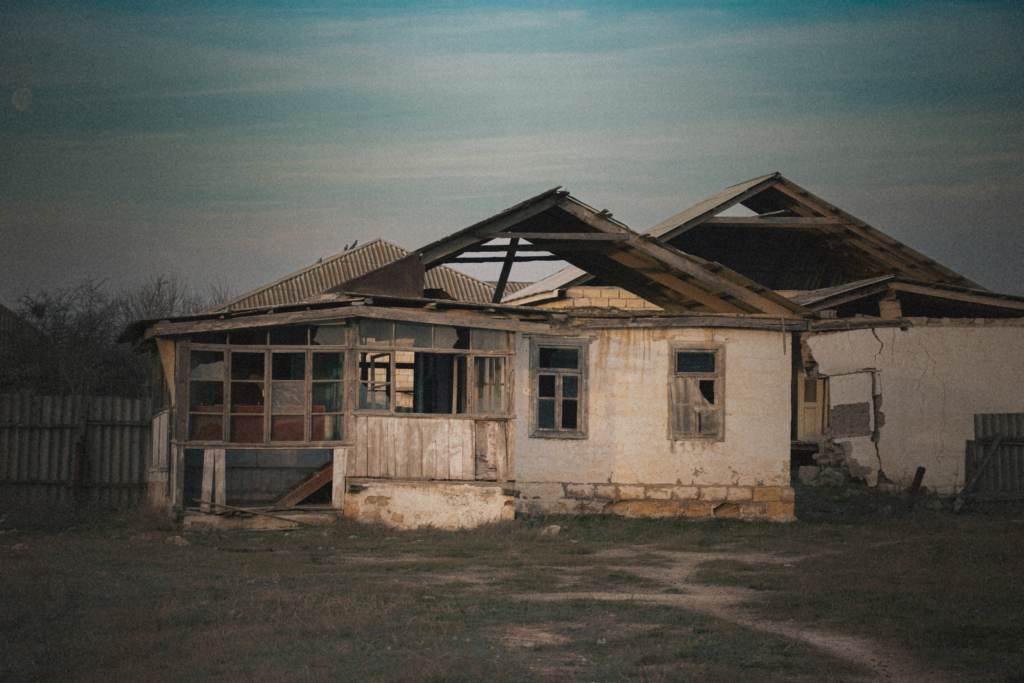
Many investors view vacant properties as an opportunity.
And sometimes they are.
Distressed vacant properties can create strong investment potential when approached strategically. But what many investors underestimate is how quickly a vacant property can shift from an opportunity into a growing financial liability.
Because once a property becomes vacant, costs rarely stay static.
Deterioration accelerates
Holding costs compound
Maintenance issues worsen
Security risks increase
Repair budgets expand
Timelines stretch
And every additional month the property sits unmanaged increases financial pressure.
This is one of the most overlooked realities in real estate investing:
Vacant properties lose money quietly before they lose value visibly.
For investors, understanding how vacant properties become financial liabilities is critical for protecting profit margins and long-term investment performance.
Vacant Properties Continue Costing Money Every Month
Many investors focus heavily on acquisition costs while underestimating what happens after closing.
But vacant properties continue generating expenses immediately.
Even before renovations begin, investors may already be paying for:
- Taxes
- Insurance
- Utilities
- Lawn maintenance
- Security
- Permit costs
- Financing payments
- Inspections
- and ongoing maintenance
These costs continue whether the property is producing income or not.
And the longer the property remains vacant, the more those expenses compound.
A property that appears inexpensive upfront can quickly become financially draining when timelines extend and operational costs increase.
Deferred Maintenance Gets More Expensive Over Time
Vacant properties deteriorate differently from occupied homes.
Without regular oversight:
- leaks go unnoticed
- moisture accumulates
- pest spread
- vandalism increases
- and small problems quietly worsen
What begins as:
- minor roof damage
- a plumbing leak
- or poor drainage
can eventually become:
- mold remediation
- structural deterioration
- electrical damage
- or major renovation work
This creates a dangerous financial cycle.
As repair costs increase:
- project timelines expand
- holding costs rise
- and profitability shrinks
Many investors underestimate how expensive delayed maintenance becomes in vacant properties.
Vacant Properties Attract Additional Risk
Vacant properties often become targets.
Once a property appear neglected or abandoned, it may attract:
- Vandalism
- Theft
- Trespassing
- Illegal dumping
- Or squatting
Broken windows, unsecured access points, and visible neglect increase the likelihood of additional damage.
Theft alone can become extremely expensive.
Vacant properties are often stripped of:
- Copper piping
- Wiring
- HVAC systems
- Appliances
- and fixtures
Beyond the replacement costs, theft frequently creates secondary damage that increases repair expenses even further.
A property that sits unsecured for too long can quickly become much more expensive to restore.
Holding Costs Quietly Destroy Profit Margins
One of the biggest reasons vacant properties become liabilities is because holding costs compound quietly.
Every month a project is delayed may increase:
- loan payments
- insurance costs
- utilities
- taxes
- maintenance expenses
- and contractor scheduling issues
At the same time, the property may still be deteriorating.
This creates financial pressure from both directions:
- rising operational costs
- and increasing repair costs
A project that initially looked profitable can slowly lose margin simply because it remained vacant too long.
This is why experienced investors focus heavily on:
- timelines
- stabilization
- operational discipline
- and controlling delays
Vacant Properties Often Require Immediate Stabilization
Many investors make the mistake of focusing on cosmetic improvements before stabilization.
But vacant properties often need immediate attention simply to prevent additional deterioration.
Stabilization may include:
- securing entry points
- addressing active leaks
- controlling moisture
- improving drainage
- debris removal
- temporary repairs
- and restoring basic safety
These are not always exciting improvements.
But they are often the most financially important.
Because every unresolved issue creates additional risk, the longer it remains unaddressed.
Insurance and Financing Can Become More Complicated
Vacant properties also create additional challenges with:
- insurance
- financing
- and lender requirements
Some insurance policies for vacant properties are:
- more expensive
- more restrictive
- or limited in coverage
Lenders may also require:
- faster project timelines
- inspections
- or additional conditions for distressed properties
If projects fall behind schedule, financing pressure can increase quickly.
This becomes especially dangerous when:
- repair budgets expand
- contractors are delayed
- or unexpected deterioration is discovered during renovation.
Market Conditions Can Change While the Property Sits
Time creates risk beyond the property itself.
The longer a project takes, the greater the exposure to:
- changing interest rates
- slowing buyer demand
- increased material costs
- labor shortages
- or shifting market conditions
A property that made financial sense at acquisition may become less profitable months later if:
- timelines expanded
- costs increase
- or exit conditions changed
This is why disciplined project management matters so much in distressed real estate investing.
Experienced Investors Focus on Risk Before Profit
One of the biggest differences between inexperienced and experienced investors is how they evaluate vacant properties.
New investors often focus primarily on:
- purchase price
- renovation vision
- or projected resale value
Experienced investors focus heavily on:
- operational risk
- stabilization needs
- holding costs
- deterioration
- timelines
- and downside exposure
Because protecting profit is often more important than chasing it.
Vacant properties can create opportunity, but only when risk is managed properly.
Financial Liabilities Often Build Quietly
Most vacant properties do not become financial liabilities overnight.
The process usually happens gradually.
A project falls slightly behind schedule.
Repair costs increase.
Additional damage is discovered.
Holding costs continue.
Contractors get delayed.
Insurance expenses rise.
Profit margins shrink.
Over time, the property slowly becomes more expensive to hold than originally expected.
This is why small operational mistakes matter so much in real estate investing.
Minor delays and neglected problems often compound into much larger financial issues later.
Conclusion
Vacant properties can create strong investment opportunities.
But they can also become financial liabilities far faster than many investors expect.
Without proper stabilization, oversight, and operational discipline, vacant properties often experience:
- rising holding costs
- accelerated deterioration
- increased repair expenses
- security risks
- and shrinking profit margins
The investors who consistently succeed in distressed real estate are usually not the ones chasing the cheapest deals.
They are the ones who:
- manage risk carefully
- stabilize properties quickly
- control timelines
- and protect the asset before problems compound.
Because in real estate, vacant properties rarely stay financially neutral for long.