
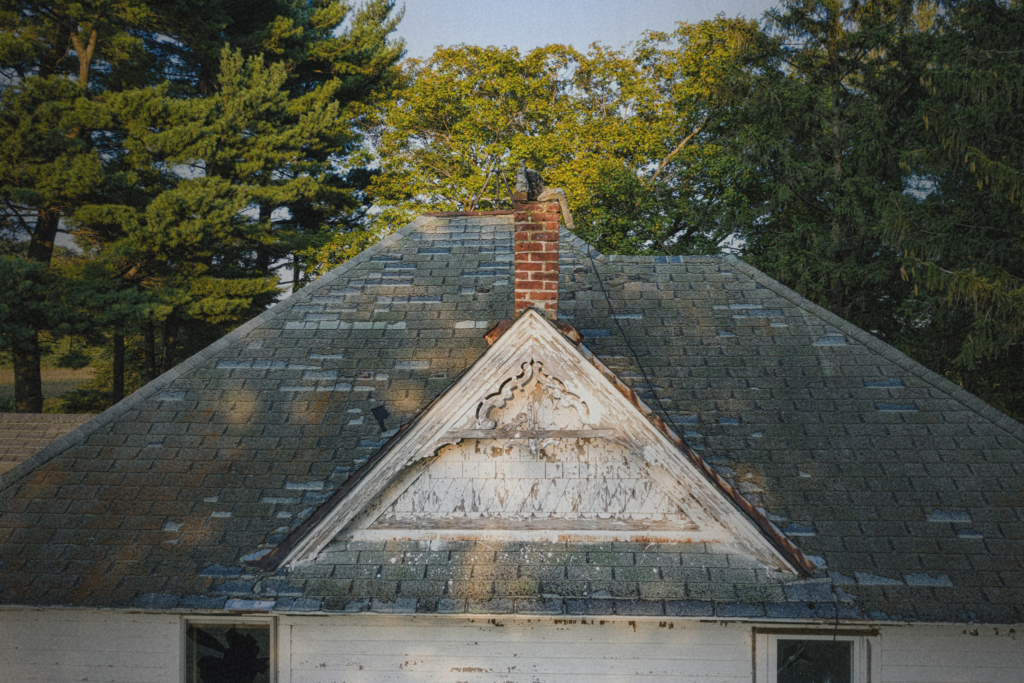
Many expensive renovation projects do not begin with catastrophic damage.
They begin with small problems that were ignored for too long.
A minor roof leak.
A plumbing drip.
Poor drainage.
Soft flooring.
Peeling exterior paint.
A broken window.
Uncontrolled moisture.
At first, these issues may appear manageable, even cosmetic.
But in vacant and distressed properties, small problems rarely stay small.
Over time, deferred maintenance compounds. Moisture spreads. Structural materials weaken. Repair costs increase. What could have been handled early with a relatively small investment slowly becomes a major renovation project.
This is one of the most overlooked realities in real estate investing:
Deterioration accelerates when problems go unresolved.
For investors, understanding how many small property issues evolve into expensive repairs is critical for protecting profit margins and long-term property value.
Deferred Maintenance Compounds Over Time
Properties deteriorate through accumulation.
One issue creates another.
A small roof leak allows moisture in the attic.
Moisture damages insulation and drywall.
Humidity creates mold growth.
Wood framing begins to weaken.
Ceilings stain and sag.
Flooring warps.
Electrical systems become exposed to moisture.
What starts as a relatively small repair slowly expands into a much larger and more expensive project.
This is why deferred maintenance is so dangerous in vacant properties.
Without daily oversight, small issues often remain unnoticed until the damage becomes severe.
Water Is One of the Biggest Threats
Few things destroy property value faster than uncontrolled water intrusion.
Even small amounts of moisture can quietly damage:
- Drywall
- Flooring
- Framing
- Insulation
- Cabinetry
- And electrical systems
In vacant properties, water problems often worsen because:
- Leaks go undetected
- Climate control may be absent
- and humidity builds without ventilation
Over time, moisture can create:
- mold
- wood rot
- structural deterioration
- and unhealthy living conditions.
Many major renovation budgets begin with what was once a minor water issue.
Exterior Problems Often Lead to Interior Damage
Small exterior maintenance issues are frequently underestimated.
But the exterior of a property is what protects everything inside.
Problems such as:
- damaged roofing
- cracked siding
- clogged gutters
- broken windows
- poor drainage
- or deteriorating caulking
can all allow water and moisture to enter the structure.
Once the building envelope is compromised, deterioration usually accelerates quickly.
This is why stabilization and exterior preservation matter so much in distressed real estate investing.
Protecting the structure early often prevents much larger interior repairs later.
Vacant Properties Deteriorate Faster
Occupied homes typically have someone who notices problems early.
Vacant properties do not.
That means:
- leaks continue
- pest spread
- moisture accumulates
- vandalism increases
- and deterioration compounds without interruption.
Even relatively small issues can become expensive simply because nobody addressed them quickly.
This is one reason experienced investors prioritize:
This is one reason experienced investors prioritize:
- inspections
- stabilization
- routine monitoring
- and property preservation immediately after acquisition.
The longer a vacant property sits unmanaged, the greater the risk of accelerated deterioration.
Small Structural Problems Become Major Expenses
Some of the most expensive renovation projects begin with seemingly minor structural concerns.
For example:
- a small foundation crack
- uneven flooring
- sticking doors
- or moisture in crawlspaces
may initially appear cosmetic or insignificant
But over time, these issues can indicate.
- Settling
- Water intrusion
- Framing damage
- or structural movement.
When ignored, repair costs often increase substantially.
What could have been a small stabilization repair may eventually require:
- major structural work
- extensive demolition
- or full system replacement
Delayed Repairs Increase Holding Costs Too
The cost of deterioration is not limited to repairs alone.
As projects become larger and timelines extend, investors also face increasing:
- holding costs
- financing costs
- insurance expenses
- utility bills
- taxes
- and contractor delays
This creates a compounding financial effect.
A repair delayed for several months may ultimately cost far more than the original issue because:
- the damage worsened
- the renovation expanded
- and the project timeline increased.
This is why operational discipline matters so much in real estate investing.
Small delays often become expensive ones.
Cosmetic Renovations Cannot Hide Underlying Problems
Many inexperienced investors focus heavily on visible upgrades.
Fresh paint
New flooring
Modern fixtures
Updates kitchens
While cosmetic improvements may improve appearance, they do not solve unresolved structural or moisture related problems.
A property with:
- hidden water damage
- poor drainage
- active leaks
- or deteriorating systems
can still become a financial problem even after cosmetic renovations are completed.
Experienced investors understand that stabilization should come before beautification.
Real value is created by improving the condition of the asset, not simply improving its appearance.
Prevention is Usually Cheaper Than Restoration
One of the most important lessons in property preservation is this:
Early intervention is almost always less expensive than large-scale restoration
Routine maintenance, inspections, and stabilization can prevent many problems from escalating.
Simple actions such as:
- repairing leaks
- cleaning gutters
- securing windows
- improving drainage
- controlling moisture
- and maintaining the exterior
can dramatically reduce long-term repair costs
Protecting a property early is often one of the most profitable decisions an investor can make.
Experienced Investors Look Beyond Surface Appearance
Some distressed properties look worse than they truly are.
Others look far better than their actual condition.
This is why experienced investors learn to evaluate:
- systems
- structure
- moisture
- deferred maintenance
- and operational risk
instead of relying only on cosmetic appearance.
A property does not become a good investment simply because it looks inexpensive or has renovation potential.
The condition beneath the surface matters far more.
Conclusion
Most expensive renovation projects do not begin as disasters.
They begin as small property problems that were ignored for too long.
In vacant and distressed properties, deterioration compounds quickly when maintenance, stabilization, and inspections are delayed.
What starts as:
- a small leak
- minor exterior damage
- or deferred maintenance
can eventually become:
- major structural repairs
- extensive renovations
- increased holding costs
- and reduced profitability
For real estate investors, protecting value often starts with addressing small problems before they become expensive ones.
Because in real estate, small decisions rarely stay small for long.