Most real estate deals don’t fail because of the purchase price.
They fail because of the costs no one talks about.
On paper, the numbers may look strong. The spread seems profitable. The opportunity feel clear. But once the project begins, unexpected expenses start to surface, quietly eroding margins until what once looked like a good deal becomes a disappointing outcome.
The truth is simple:
Profit in real estate is not lost in obvious places; it is lost in the hidden ones.
Understanding these hidden costs isn’t just helpful, it is essential. Because the difference between a profitable deal and a failed one often comes down to what you didn’t account for.
1. Holding Costs That Compound Over Time
Time is one of the most underestimated risks in real estate.
Every additional day you hold a property comes with a cost:
- Property taxes
- Insurance
- Utilities
- Loan interest
- Maintenance and security
Individually, these may seem manageable. But together, and over time, they compound.
A project that runs 60 days longer than expected doesn’t just delay profit, it reduces it. Sometimes significantly.
Insight: Time is not neutral in real estate. It is either protecting your profit or actively working against it.
2. Deferred Maintenance and Structural Issues
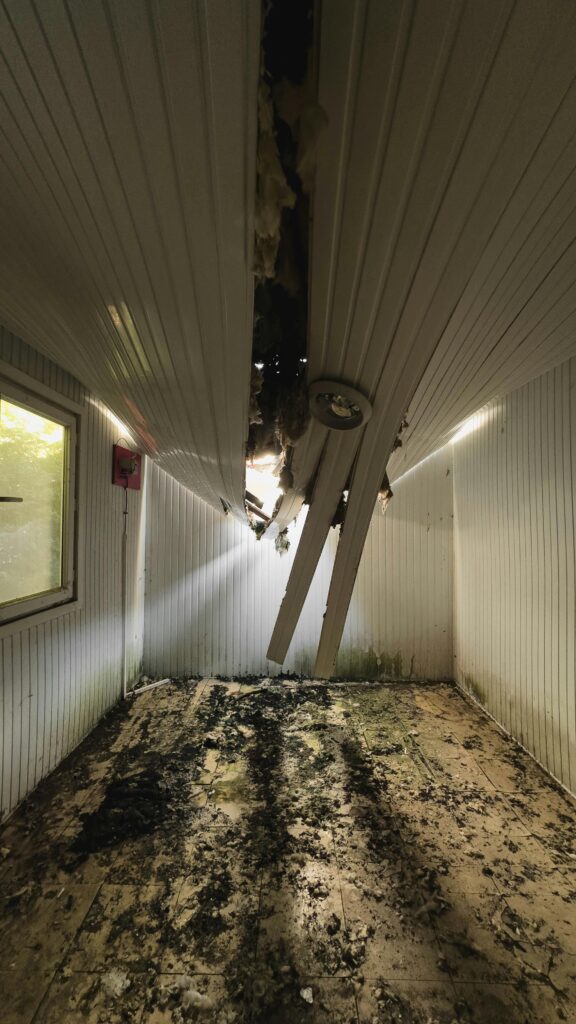
What you don’t see during your initial walkthrough can cost you the most.
Hidden issues often include:
- Roof damage
- Plumbing leaks
- Electrical problems
- Foundation concerns
- Water intrusion and mold
These are not cosmetic problems. They are structural, and they demand immediate attention.
This is why stabilization must always come before renovation.
Skipping this step leads to rework, delays, and increased costs.
Insight: You don’t control your budget if the property isn’t stabilized first.
3. Scope Creep During Renovation
Many projects start with a clear plan and slowly drift away from it.
Scope creep happens when:
- Additional upgrades are added mid-project
- Finishes are upgraded beyond the original plan
- Decisions are made without considering the exit strategy
Each small change feels justified in the moment. But collectively they increase costs without always increasing value.
Insight: Not every improvement creates value. Some only increase expense.
4. Contractor and Labor Inefficiencies
Execution is where many deals quietly lose profit.
Common issues include:
- Poor contractor management
- Delays in scheduling
- Rework due to mistakes
- Lack of clear project sequencing
Even small inefficiencies create ripple effects across the timeline, and timeline impacts cost.
Insight: Operational discipline is not optional. It is directly tied to profitability.
5. Financing Costs and Capital Structure
The way a deal is financed affects its profitability more than many investors realize.
Hidden costs here include:
- Interest accrual during delays
- Origination fees
- Short-term loan pressure
- Limited liquidity for unexpected expenses
If your financing structure doesn’t allow flexibility, small issues can quickly become major problems.
Insight: A deal is only as strong as the capital supporting it.
6. Transaction and Exit Costs
Profit isn’t realized until the deal is closed, and closing comes with costs.
These often include:
- Agent commissions
- Closing costs
- Seller concessions
- Transfer taxes
- Marketing and staging
Many investors underestimate these expenses when calculating projected profit.
Insight: Your exit strategy must account for the full cost of getting out, not just getting in.
7. Market Misalignment
Sometimes the issue isn’t the property, it’s the strategy.
Examples:
- Over-improving for the neighborhood
- Misjudging buyer expectations
- Pricing beyond what the market supports
This leads to longer time on market, price reductions, and increased holding costs.
Insight: Value is determined by the market, not by the amount you spend.
Conclusion
Hidden costs don’t announce themselves.
They slow up gradually, through time, decisions, and execution.
And by the time they’re fully visible, profit has already been reduced.
The most successful investors aren’t just focused on finding deals.
They’re focused on understanding the full cost of those deals before they commit.
Because in real estate, the real question isn’t: “Is this a good deal?”
It’s “What is this deal truly going to cost me?”
Before you make your next offer, make sure you’re evaluating every part of the deal, not just the obvious ones.
Download the From Vacant to Valuable: Investors Decision Framework Checklist to help you analyze deals, identify hidden risks, and make more confident investment decisions.