
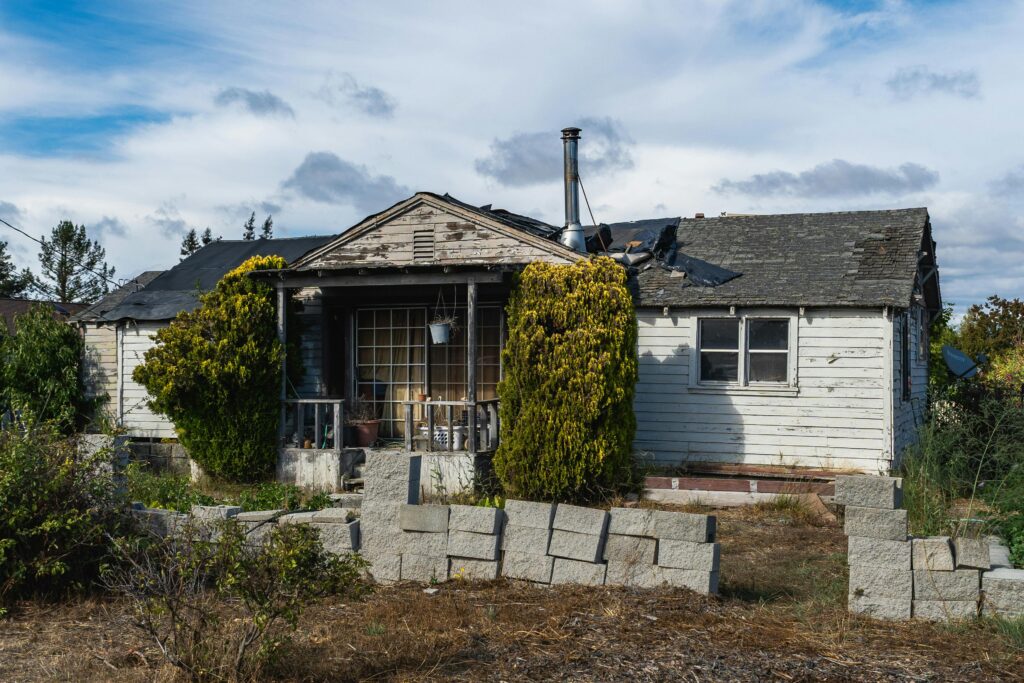
The Most Dangerous Deals Are the Ones That Look the Best
Some of the worst real estate deals don’t look risky
They look clean.
They look simple.
They look profitable.
On paper, everything works.
- The purchase price feels right.
- The renovation budget seems controlled.
- The after-repair value (ARV) looks strong.
- The projected profit appears safe.
But real estate is not a paper business.
It is an execution business.
And the gap between what a deal looks like on paper and how it performs in reality is where most investors lose money.
This isn’t because the math is wrong.
It’s because the math is incomplete.
The Core Problem: Paper Analysis Ignores Reality
Most deals analysis is built around a simple equation:
Purchase + Rehab + Holding Costs= Total Investment
ARV – Total Investment = Profit
That equation is not wrong.
It’s just not complete.
Because it assumes:
- Costs are accurate
- Timelines are predictable
- Execution is smooth
- Market conditions stay stable
In reality, none of those are guaranteed.
This is where deals begin to break down.
The Real Reason Deal Look Good on Paper
Deals look good on paper because they are built on controlled assumptions.
Reality is not controlled.
The moment you close on a property, the deal becomes:
- Operational
- Time-sensitive
- Dependent on people, systems and variables
And that’s where the risk begins.
The 6 Hidden Gaps Between Paper and Reality
1. The Cost Gap: Underestimating Renovation Reality
On paper, renovation costs are a line item.
In reality, they are a moving target.
What gets missed:
- Structural issues hidden behind walls
- Outdated electrical and plumbing systems
- Water intrusion and mold
- Code compliance upgrades
- Labor fluctuations and contractor variability
A deal that looks profitable with a 25,000 renovation can quickly become a 40,000 reality.
The difference come directly out of your profit.
2. The Time Gap: When Delays Become Expensive
Time is rarely treated as a major variable in deal analysis.
But time is one of the most expensive parts of any project.
Delays come from:
- Contractor scheduling issues
- Permit delays
- Material shortages
- Scope changes
Every delay increases:
- Loan interest
- Insurance
- Utilities
- Taxes
A deal designed for 60 days can collapse at 120 days.
3. The Holding Cost Gap: The Silent Profit Killer
Holding costs don’t usually destroy deals all at once.
They slowly erode them.
Commonly underestimated:
- Financing costs (especially hard money)
- Vacancy periods
- Unexpected maintenance during holding
- Seasonal slowdowns in selling
Holding costs compound quietly.
And by the time they’re fully realized, it’s too late to adjust.
4. The ARV Gap: When the Exit is Overestimated
The exit strategy is where many deals look strongest.
But it’s also where they’re most vulnerable.
Common ARV mistakes:
- Using top-of-market comps
- Ignoring difference is quality
- Overestimating buyer demand
- Not accounting for appraisal limitations
On paper, ARV feels certain.
In reality, it’s influenced by:
- Market shifts
- Buyer behavior
- Lending constraints
If ARV is inflated, the entire deal is built on a false foundation.
5. The Execution Gap: Where Plans Break Down
Spreadsheets assume flawless execution.
Real estate never delivers that.
Execution challenges include:
- Poor contractor performance
- Communication breakdowns
- Budget overruns
- Sequencing mistakes
Small inefficiencies don’t stay small.
They compound into major losses.
6. The Decision Gap: Emotion Hidden in Logic
Some deals look good on paper because they were made to look good.
Not intentionally, but subtly.
- Costs are rounded down
- ARV is rounded up
- Timelines are shortened
- Risks are minimized
The desire to move forward influences the analysis.
This is one of the most dangerous gaps, because it feels like logic.
The Strategic Shift: From Profit-Focused to Risk-Aware
Most investors ask:
“How much can I make?”
Better investors ask:
“Where can this deal break?”
This is the shift that separates:
- Surface-level analysis
From
- Strategic investing
A Better Way to Analyze Deals: The Reality-Based Framework
1. Evaluate Before You Get Excited
Before focusing on profit, evaluate:
- Exposure (time+ capital at risk)
- Worst-case scenarios
- Margin for error
If the deal only works under perfect conditions, it doesn’t work.
3. Stabilization Before Improvement
Before thinking about upgrades, ask:
- Is the structure sound?
- Are the systems reliable?
- Is the property protected for further damage?
4. Control the Holding Period
Time is not neutral.
Ask:
- What if this takes twice as long?
- Can I survive that financially?
The best deals are resilient to delays.
5. Operate with Discipline
Execution determines outcome.
Focus on:
- Clear scope of work
- Contractor selection
- Budget control
- Timeline management
Small decisions compound, positively or negatively.
5. Align Your Exit With Reality
Your exit strategy must match:
- The market
- The buyer pool
- Appraisal expectations
A great renovation doesn’t guarantee a great exit.
Why Deals Don’t Fail Immediately
Most deals don’t collapse overnight.
They erode.
- Slightly higher costs
- Slightly longer timeline
- Slightly lower sale price
Individually manageable.
Together, destructive.
Final Thought: The Difference Between a Good Deal and a Good Outcome
A deal that looks good on paper is not a guarantee of success.
The real difference is not the numbers.
It’s
- The assumptions behind them
- The discipline applied to them
- The execution that follows
Real estate rewards”:
- Preparation
- Realism
- Operational control
Not just optimistic projections.
Before you analyze your next deal:
Make sure you’re not missing the risks that destroy profit.
Download the From Vacant to Valuable: Real Estate Deal Evaluate Checklist and use it to evaluate every deal with clarity and discipline.