
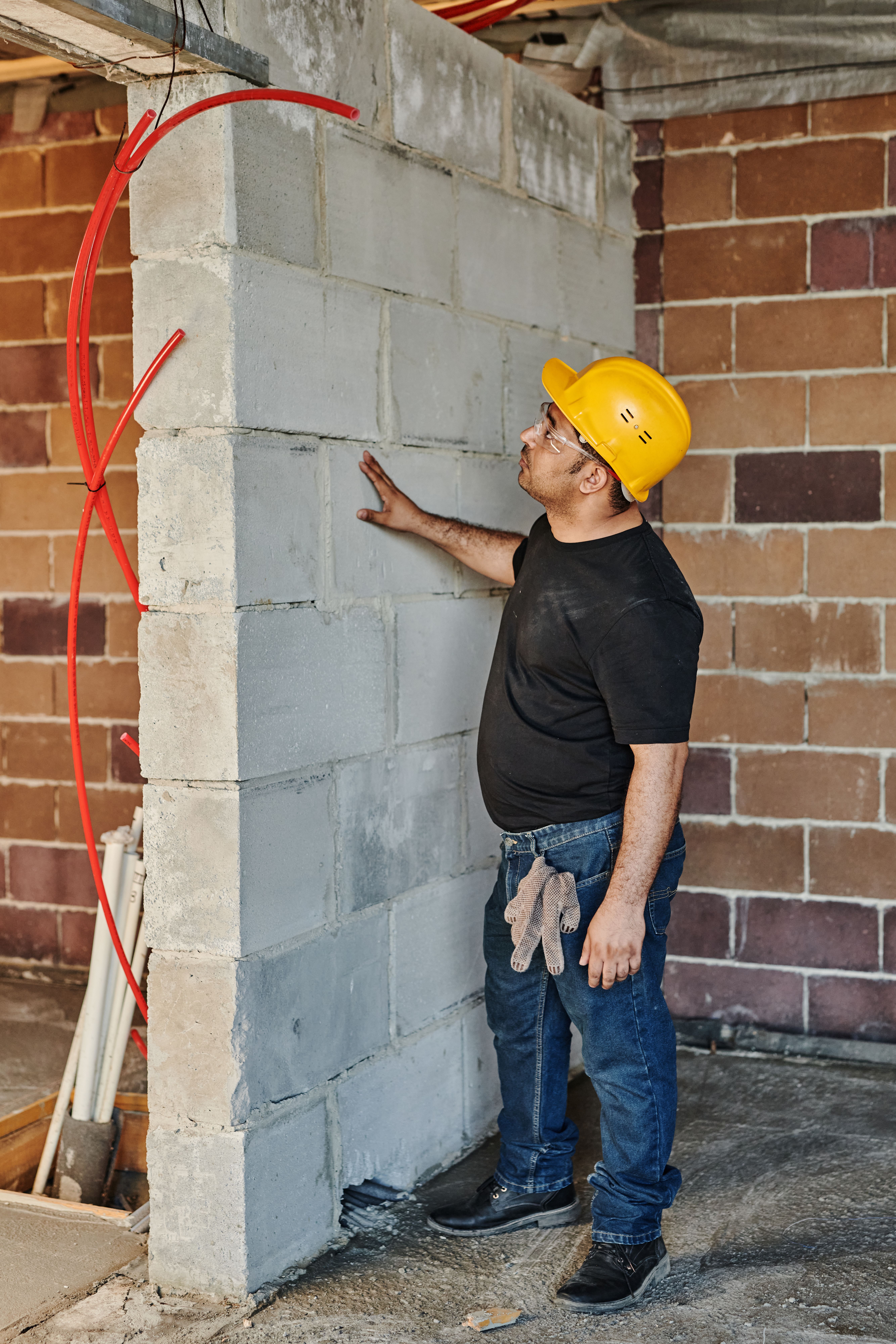
Renovation Doesn’t Begin with a Hammer
Many people think a renovation starts when demolition begins.
The dumpster arrives.
Contractors show up.
Walls come down.
Materials are delivered.
But successful renovations begin much earlier.
They begin with documentation.
Before a single repair is made, experienced investors gather information, record the property’s condition, organize inspection findings and establish a clear understanding of what exists before anything changes.
Documentation isn’t simply paperwork.
It’s the foundation for better decisions throughout the entire renovation.
Every Property Tells a Story
Before renovation begins, every property has a story to tell.
The challenge is making sure that story is accurately documented.
Photographs capture existing conditions.
Inspection reports identify potential concerns.
Maintenance records reveal previous repairs.
Contractor estimates project expectations.
Utility information confirms the condition of major systems.
Together, these documents create a complete picture of the property’s starting point.
Without the baseline, it becomes difficult to measure progress, manage contractors, control cost, or explain future decisions.
Documentation Reduces Assumptions
Renovation projects become expensive when decisions are based on assumptions instead of information.
Documentation replaces assumptions with evidence.
Instead of saying,
“I think that damage was already there”
You have photographs.
Instead of guessing when a repair was completed,
You have dated records.
Instead of relying on memory,
You have written documentation.
The more information collected before work begins, the fewer decisions must rely on uncertainty.
Good Documentation Protects More Than the Budget
Many investors think documentation exists only to organize projects.
In reality, it protects much more.
Proper documentation helps:
- Establish the property’s original condition.
- Track change throughout the renovation.
- Improve communication with contractors.
- Support insurance claims when necessary
- Verify completed work.
- Organize maintenance history.
- Increase buyer confidence.
- Strengthen future negotiations.
Documentation creates accountability.
Everyone involved understands what was found, what was repaired and what remains to be completed.
What Should Every Investor Document?
Before renovation begins, consider documenting:
Exterior
- Roof condition
- Gutters
- Siding
- Windows
- Doors
- Landscaping
- Drainage
- Foundation
Interior
- Walls
- Ceiling
- Flooring
- Cabinets
- Bathrooms
- Kitchens
- Signs of moisture
- Visible structural concerns
Major Systems
- Electrical
- Plumbing
- HVAC
- Water heater
- Appliances
- Septic (when applicable)
- Well systems (when applicable)
Project Information
- Inspection reports
- Contractor estimates
- Repair priorities
- Budget
- Timeline
- Material selections
- Permits
- Before photographs
The goal isn’t simply collecting paperwork.
It’s creating a reliable record that supports every decision throughout the project.
Documentation Improves Communication
Renovation often involve multiple people.
Owners.
Contractors.
Inspectors.
Insurance companies.
Future buyers.
Documentation creates a common point of reference for everyone.
Instead of relying on conversations or memory, everyone can refer to the same photographs, reports, estimates, and project records.
Clear documentation reduces misunderstanding and keeps projects moving forward.
Documentation Protects Future Value
Many investors think documentation loses its usefulness once the renovation is complete.
The opposite is often true.
Organized documentation becomes evidence of responsible ownership.
When buyers see maintenance records, inspection reports, permit documentation, warranties, and repair history, they gain confidence in the property.
That confidence often influences negotiations long before the appraisal is complete.
Documentation doesn’t simply record value.
It helps protect it.
Practical Checklist
Before renovation begins, ask yourself:
- Have I photographed every room?
- Have I documented the exterior condition?
- Do I have inspection reports?
- Have I organized contractor estimates?
- Is my renovation budget documented?
- Have I prioritized repairs?
- Can someone else understand this project by reviewing my documentation alone?
If the answer is yes, you’ve built a strong foundation for the renovation ahead.
Framework in Action
Two investors purchase similar vacant homes requiring extensive renovation.
Investor A walks through the property, takes a few photos with a phone, and begins demolition the following week. As work progresses, disagreements arise about existing damage, repair priorities, and contractor responsibilities. Budget adjustments become difficult because there is little documentation showing the property’s original condition.
Investor B spends time documenting the property before any work begins. Every room is photographed, inspection reports are organized, contractor estimates are saved, and repair priorities are documented. Throughout the renovation, decisions are based on records rather than memory. Contractors communicate more effectively, progress is easier to track, and the completed project includes a detailed history that increases buyer confidence.
Framework Lesson
The most successful renovations are built on information before they are built with materials.
Investor Takeaway
Documentation isn’t a task that slows a renovation.
It’s the system that keeps the renovation moving in the right direction.
Conclusion
A successful renovation is never defined solely by beautiful finishes or complete projects.
It’s defined by the quality of the decisions made from beginning to end.
Those decisions become easier when they’re supported by clear, organized documentation.
Photographs.
Inspection reports.
Budgets.
Repair priorities.
Maintenance records.
Together, they create a roadmap that reduces uncertainty and strengthens every stage of the renovation.
Because the first tool every successful investor should use isn’t a hammer.
It’s documentation.
The From Vacant to Valuable Framework
Before every renovation, remember these principles:
- Document before you demolish
- Photographs preserve facts
- Record reduces assumptions
- Documentation builds confidence
- Better information leads to better renovation
Continue Learning
For readers who want to continue building their renovation and property preservation knowledge, I recommend reading the following
- What Every Property Inspection Should Document Before Renovation Begins
- Before You Renovate: The Question Every Investor Should Answer First
- Why Great Investors Budget for Problems They Can’t See
- Property Preservation 101: How to Protect Vacant Properties Before They Lose Value
- Value Is Protected Long Before a Property Is Sold
- The Real Estate Investor’s Decision Framework: How to Avoid Bad Deals and Build Real Value