
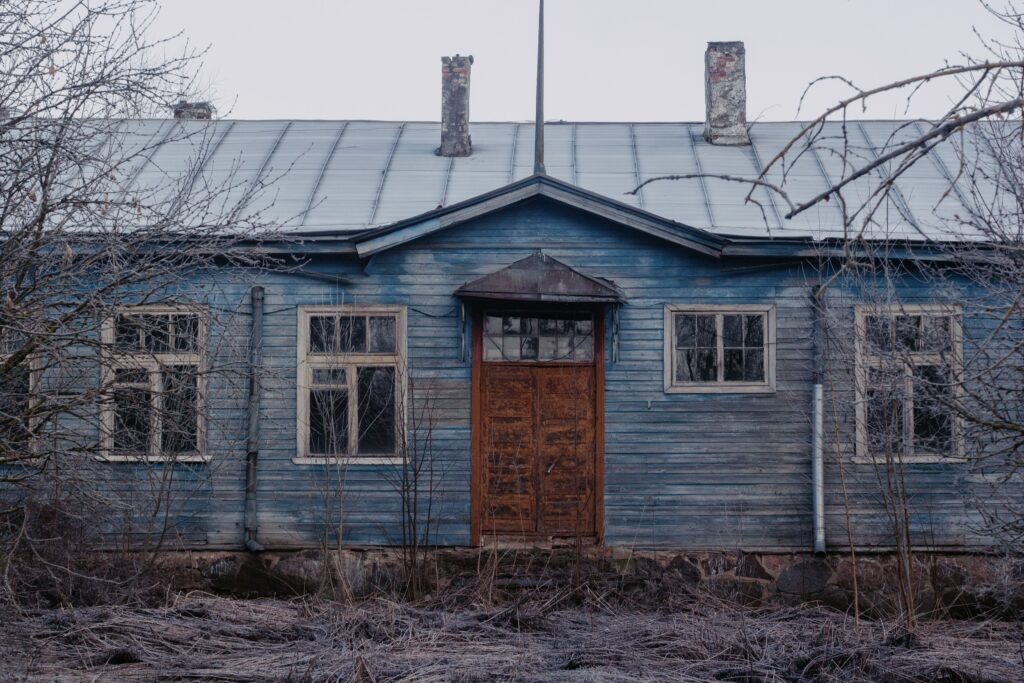
The Sale Doesn’t Create the Value
Many people think the value of a property is determined on closing day.
That’s when the numbers become official.
The appraisal is complete.
The buyer signs the paperwork.
The sale price is announced.
But the outcome has already been shaped by dozens, sometimes hundreds of decisions made throughout the ownership of the property.
Every inspection.
Every repair.
Every maintenance decision.
Every delayed project.
Every dollar invested or ignored.
Long before the “For Sale” sign goes into the ground, the property’s future value is already being protected…or quietly diminished.
Great investors understand this.
They don’t wait until it’s time to sell to think about value.
They protect it from the day they acquire the property.
Every Decision Either Protects or Reduces Value
Real estate doesn’t remain unchanged while you own it.
Every property is constantly moving in one of two directions.
It is either becoming more valuable…
Or becoming more vulnerable.
Small decisions accumulate over time.
Repairing a roof leak early protects framing, insulation, drywall, and flooring.
Ignoring it allows moisture to spread, increasing both repair costs and future buyer concerns.
Replacing damaged flashing protects the roof.
Delaying the repair may shorten the life of the entire roofing system.
Maintaining gutters protects the foundation, landscaping, and siding.
Neglecting them often creates problems far beyond clogged gutters.
No single maintenance decision seems significant in isolation.
Together, they determine the property’s long-term condition.
Buyer Purchase Confidence
When buyers evaluate a property, they aren’t only purchasing square footage.
They’re purchasing confidence.
Confidence that:
- The property has been maintained
- Major systems have been cared for
- Hidden surprises are less likely
- The investment will continue performing after closing
Well-maintained properties communicate confidence before a single word is spoken.
Neglected properties communicate uncertainty.
That uncertainty often reduces offers increased negotiations, and lengthens time on the market.
Preservation is an Investment in Future Negotiations
Many investors think of preservation as an expense.
Experienced investors recognize something different.
Every maintenance decision becomes part of future negotiations.
A documented inspection.
A repaired roof.
Serviced HVAC equipment.
Well-maintained landscaping.
Routine moisture inspections.
These aren’t simply maintenance records.
They’re evidence.
Evidence that the property has been managed responsibly.
That evidence often protects value during buyer negotiations.
Deferred Maintenance is Expensive in More Than One Way
Deferred maintenance doesn’t only increase repair costs.
It often increases uncertainty.
When buyers discover visible neglect, they naturally begin wondering what else hasn’t been maintained.
Even small cosmetic issues can influence how buyers perceive the entire property.
The conversation shifts from:
“This home has been well cared for.”
To
“What else might we discover after closing?”
Perception influences value just as much as physical condition.
Protecting Value Starts on Day One
Many investors focus heavily on exit strategies.
Great investors also focus on ownership strategies.
From the day they purchase a property, they ask:
- What can I do that protects future value?
- Which repairs prevent larger problems?
- What documentation should I maintain?
- How can I reduce future buyer concerns?
- Which maintenance decisions preserve long-term equity?
The answer to these questions shape the property’s future long before it’s listed for sale.
Practical Checklist
- Am I preventing problems instead of reacting to them?
- Are maintenance records organized?
- Have inspections been documented?
- Have moisture risks been addressed?
- Are major systems being maintained?
- Am I protecting buyer confidence?
- Would I feel comfortable showing today’s condition to a future buyer?
Protecting value is rarely one large decision.
It’s hundreds of disciplined small ones.
Framework in Action
Two investors purchase similar vacant homes.
Investor A focuses almost entirely on cosmetic renovations. Small maintenance issues are postponed because “they can be fixed later.” Gutters remain clogged, minor roof repairs are delayed, and maintenance records are never organized. When the property is listed, buyers notice signs of deferred maintenance, request additional inspections, and negotiate aggressively after uncovering preventable issues.
Investor B approaches ownership differently. Before cosmetic improvements begin, the property is stabilized. Moisture risks are addressed, routine maintenance is documented, and repairs are completed as issues arise. When the property is listed, organized records and a well-maintained condition give buyers greater confidence, resulting in a smoother transaction and a stronger negotiating position.
Framework Lesson
Properties rarely protect their value by accident.
Owners protect value through consistent stewardship.
Investor Takeaway
The strongest sale price is often earned long before the property is listed.
Final Thoughts
Selling a property is simply the moment when years of decisions become visible.
By then, the maintenance, inspections, documentation, preservation, and planning have already shaped the outcome.
Great investors understand that protecting value isn’t something you begin when it’s time to sell.
It’s something you practice every day you own the property.
Because value isn’t protected at closing.
Value is protected throughout ownership.
The From Vacant to Valuable Framework
When thinking about long-term property value, remember these principles:
- Protect before you profit.
- Maintenance builds confidence.
- Documentation strengthens negotiations.
- Consistent stewardship preserves long-term value.
The best sale prices are often the result of years of disciplined decisions, not last-minute improvements.
Continue Learning
If you found this article helpful, continue building your knowledge with these related posts:
- Property Preservation 101: How to Protect Vacant Properties Before They Lose Value
- Why Every Dollar Spent Protecting a Property Is an Investment, Not an Expense
- Before You Renovate: The Questions Every Investor Should Answer First
- Why Great Investors Budget for Problems They Can’t See
- How Vacant Properties Lose Value Even When Nothing Happens
- The Hidden Costs of Deferred Maintenance in Vacant Properties
- The Real Estate Investor’s Decision Framework: How to Avoid Bad Deals and Build Real Value